Millions of people visit Milan every year for fashion, food, and history-but few realize how electric the city gets after dark. Forget the quiet, elegant image you might expect. By 10 p.m., Milan’s streets pulse with energy. The city doesn’t just have nightlife-it has nightlife with layers. From hidden jazz lounges to underground techno warehouses, from aperitivo crowds sipping prosecco in the Navigli canals to VIP clubs where celebrities slip in through back doors, Milan’s after-hours scene is one of Europe’s most diverse and underrated.
Start with Aperitivo: The Milanese Ritual
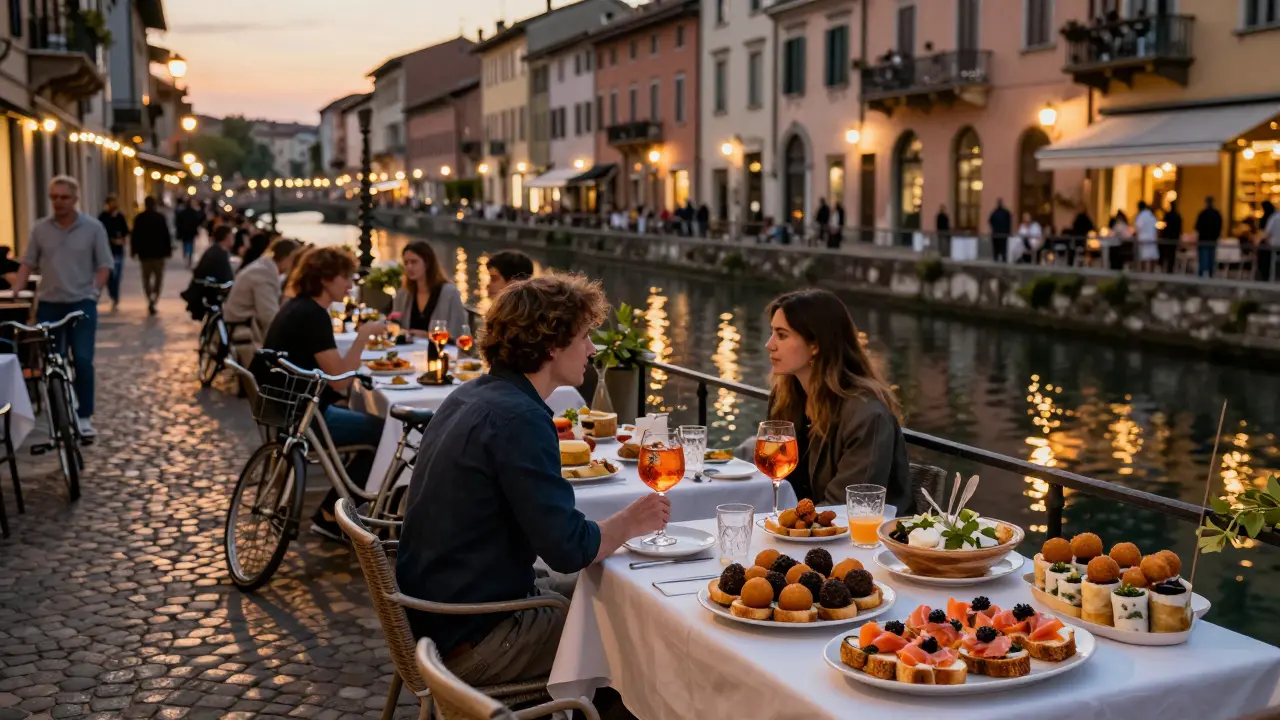
Before you think about dancing, you need to understand aperitivo. It’s not just a drink. It’s a social ritual that begins around 6 p.m. and lasts until 9 p.m. Most bars in Milan offer a drink (usually a spritz, gin & tonic, or Negroni) with a full buffet of snacks. Think fresh bruschetta, truffle arancini, smoked salmon rolls, and even mini lasagna. The price? Usually €10-€15. You’re not paying for the alcohol-you’re paying for the experience.
The best spots? Navigli is the classic choice. The two canals-Naviglio Grande and Naviglio Pavese-come alive with string lights and outdoor seating. Try Bar Luce, designed by filmmaker Wes Anderson, for a surreal, retro vibe. Or head to La Bicocca near the Darsena, where locals sip Aperol spritzes and chat until the sun dips below the rooftops.
Pro tip: Go early. If you wait until 8 p.m., you’ll be fighting for a table. The real secret? The more crowded the bar, the better the aperitivo spread. If you see a line, you’re in the right place.
The Navigli District: Where the Night Begins
By 9:30 p.m., Navigli shifts from relaxed drinks to full-on party mode. The area between Via Tortona and Via Bergognone becomes a pedestrian-only stretch of music, laughter, and flashing neon. This is where Milan’s creative class lives-designers, artists, young professionals-and they know how to party.
Start with Bar Basso, the birthplace of the Negroni Sbagliato. It’s small, dim, and packed. You might have to wait 20 minutes, but it’s worth it. Then wander toward Bar Pasticceria Cova for espresso and tiramisu if you’re still awake. The real magic happens after midnight, when the bars spill into the street and live DJs set up on floating platforms along the canal.
Don’t miss the vintage market on Friday nights. Locals bring their 1970s vinyls, leather jackets, and handmade cocktails. You’ll find people dancing barefoot on the cobblestones, drinking homemade limoncello from mason jars. It’s not touristy. It’s Milanese.
Clubbing: From Underground to Glamour
Milan’s club scene splits into two worlds: the underground and the elite.
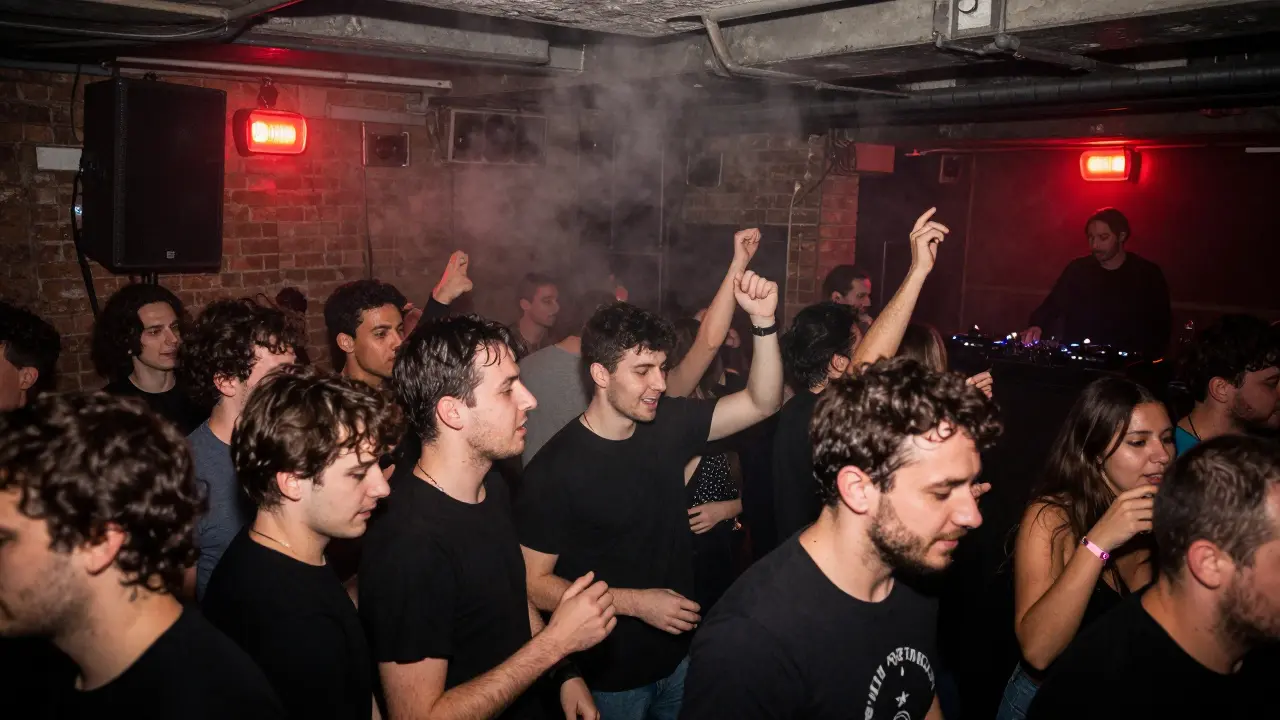
For the underground, La Scala Club is the temple. Hidden behind a nondescript door near Porta Genova, it’s been running since 1992. No velvet ropes. No dress code. Just industrial beats, fog machines, and a crowd that’s been here since the ’90s. The sound system is built into the walls. You don’t hear the music-you feel it. DJs here play raw techno and minimal house. No pop remixes. No exceptions.
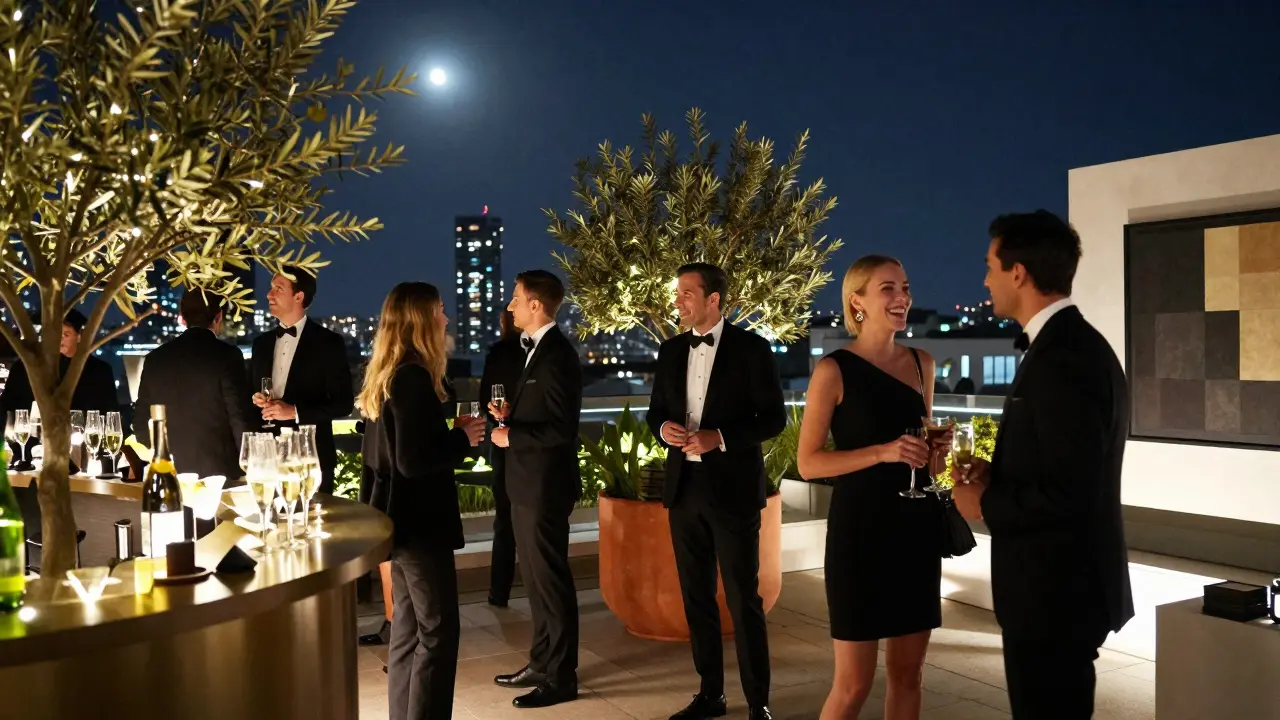
On the other end, Magazzini Generali is the place for glam. It’s a converted warehouse with three floors, a rooftop garden, and a bar that serves champagne by the liter. You’ll see models, influencers, and Italian fashion executives here. The dress code is strict: no sneakers, no hoodies. Black tie optional, but expected. Cover charge? €25-€40 after 11 p.m. But the vibe? Pure Milanese luxury.
For something in between, try Clam in the Zona Tortona district. It’s a mix of art gallery and club, with rotating exhibitions and live performances. The music changes every night-jazz, electronic, hip-hop. You never know what you’ll get, but you always leave surprised.
Live Music and Jazz: The Quiet Side of Milan
If you’re not into thumping basslines, Milan has a soulful side. Jazz Club Milano, tucked into a basement near the Duomo, is the city’s oldest jazz spot. It opened in 1958. The walls are lined with photos of Miles Davis, Chet Baker, and Ella Fitzgerald who played here. No cover charge before 10 p.m. You can sit at a small table, order a glass of Barolo, and listen to a trio that’s been playing together for 20 years.
For something newer, Blue Note Milano brings in international jazz acts every week. It’s sleek, modern, and has a sound system that makes every saxophone note feel personal. Reservations are a must. The set starts at 9 p.m. and ends at 11:30 p.m. Perfect if you want to party, but not all night.
What to Wear: No Socks with Sandals
Milan is fashion-forward-even at 2 a.m. You don’t need to look like a runway model, but you do need to look intentional. Men: dark jeans, clean sneakers or loafers, a fitted jacket. Women: a simple dress or tailored pants with heels. No flip-flops. No baseball caps. No sportswear unless you’re at a warehouse party (and even then, it’s usually high-end streetwear).
Here’s the rule: if you’re wearing something you’d wear to the office, you’re fine. If you’re wearing something you’d wear to the gym, you’ll get turned away. Milan doesn’t judge you for being poor-it judges you for being lazy.
When to Go: Timing Is Everything
Milan doesn’t sleep early. But it doesn’t start late either.
- 6-9 p.m. Aperitivo time. Start here.
- 9-11 p.m. Bar hopping. Move from Navigli to Porta Ticinese.
- 11 p.m.-1 a.m. Clubs open. This is when the real crowd arrives.
- 1-3 a.m. Peak time. The best DJs play. The energy peaks.
- 3-5 a.m. The after-party scene. Look for pop-up spots in courtyards or rooftop terraces. Often unlisted on apps.
Most clubs close at 5 a.m. But if you’re still standing at 4 a.m., you’ll find someone serving espresso and cannoli. Milan doesn’t shut off-it just changes pace.
Where to Eat After the Party
After dancing for hours, you’ll be hungry. Don’t go to McDonald’s. Go to Trattoria da Vittorio near Porta Romana. Open 24/7. They serve risotto alla milanese with saffron, grilled polenta, and red wine that costs €6 a glass. The staff doesn’t care if you’re in a sequin dress or sweatpants. They’ll hand you a plate and say, “Mangia.”
Or try La Focaccia in the Brera district. They open at 3 a.m. and make the best focaccia in the city-stuffed with prosciutto, ricotta, and rosemary. It’s €4. You eat it standing up. No one minds.
How to Get Around
Milan’s metro runs until 1:30 a.m. on weekdays, 2:30 a.m. on weekends. After that, you’ll need a taxi or Uber. But here’s the trick: the best way to get around after midnight is on foot. Most nightlife zones are within 15 minutes of each other. Walking lets you stumble upon hidden bars, street musicians, and midnight gelato stands.
Never drive. Parking is a nightmare. And the city center is pedestrian-only after 9 p.m. on weekends. If you’re staying in the center, you don’t need a car. You need good shoes.
Final Tip: Don’t Be a Tourist
Milan’s nightlife isn’t for people who want to check boxes. It’s for people who want to feel something. If you walk into a bar and ask, “Where’s the best club?” you’ll get a shrug. If you walk in, order a drink, smile, and say, “What’s playing tonight?”-you’ll be invited to sit down.
The locals don’t care where you’re from. They care if you’re curious. If you’re open to a conversation, a spontaneous dance, or a midnight espresso with strangers-you’ll leave with more than memories. You’ll leave with a piece of Milan.
Is Milan nightlife safe at night?
Yes, Milan is one of the safest major European cities at night. The central nightlife areas-Navigli, Porta Ticinese, and Brera-are well-lit and patrolled. Stick to main streets, avoid isolated alleys after 2 a.m., and keep your phone and wallet secure. Pickpocketing is rare but possible in crowded bars. Use a crossbody bag and don’t flash cash.
Do I need to book tickets for clubs in Milan?
For most clubs, no. You can walk in. But for popular spots like Magazzini Generali, Clam, or special guest DJ nights, it’s smart to check their Instagram or website. Some nights have guest lists or reserved tables. If you’re going with a group of four or more, call ahead. Otherwise, just show up around 11:30 p.m. and you’ll be fine.
What’s the average cost of a night out in Milan?
You can have a full night for €30-€50. Aperitivo (€12), two drinks at a bar (€10), club entry (€20 if you go to a fancy spot), and a late-night snack (€5). Skip the VIP tables and expensive cocktails, and you’ll save money. Most locals spend under €40 and have a better time than tourists who drop €100.
Are there English-speaking staff in Milan’s nightlife spots?
In tourist-heavy areas like Navigli and Brera, yes. Most bartenders and club staff speak decent English. But in underground spots like La Scala Club or smaller jazz bars, staff may speak little or no English. That’s okay. Milanese nightlife thrives on vibe, not language. A smile, a nod, and a raised glass go further than words.
What’s the best day of the week to go out in Milan?
Friday and Saturday are the busiest, but also the most authentic. Thursday nights are quieter and perfect for discovering new spots without crowds. Sunday nights are surprisingly good too-many clubs host chill, late-night sets with vinyl-only DJs. If you want to party hard, go Friday. If you want to explore, go Thursday.