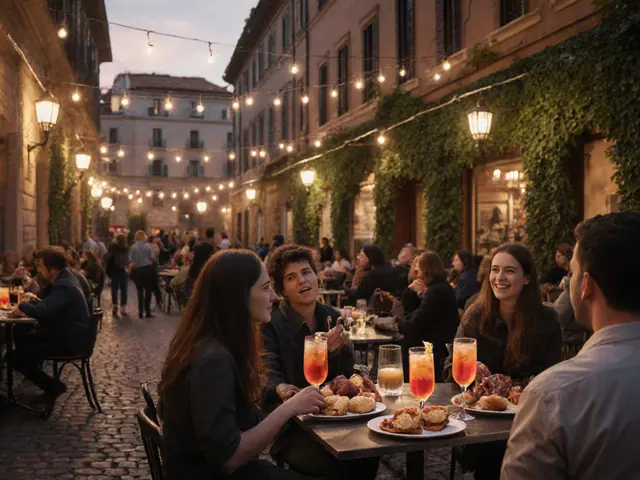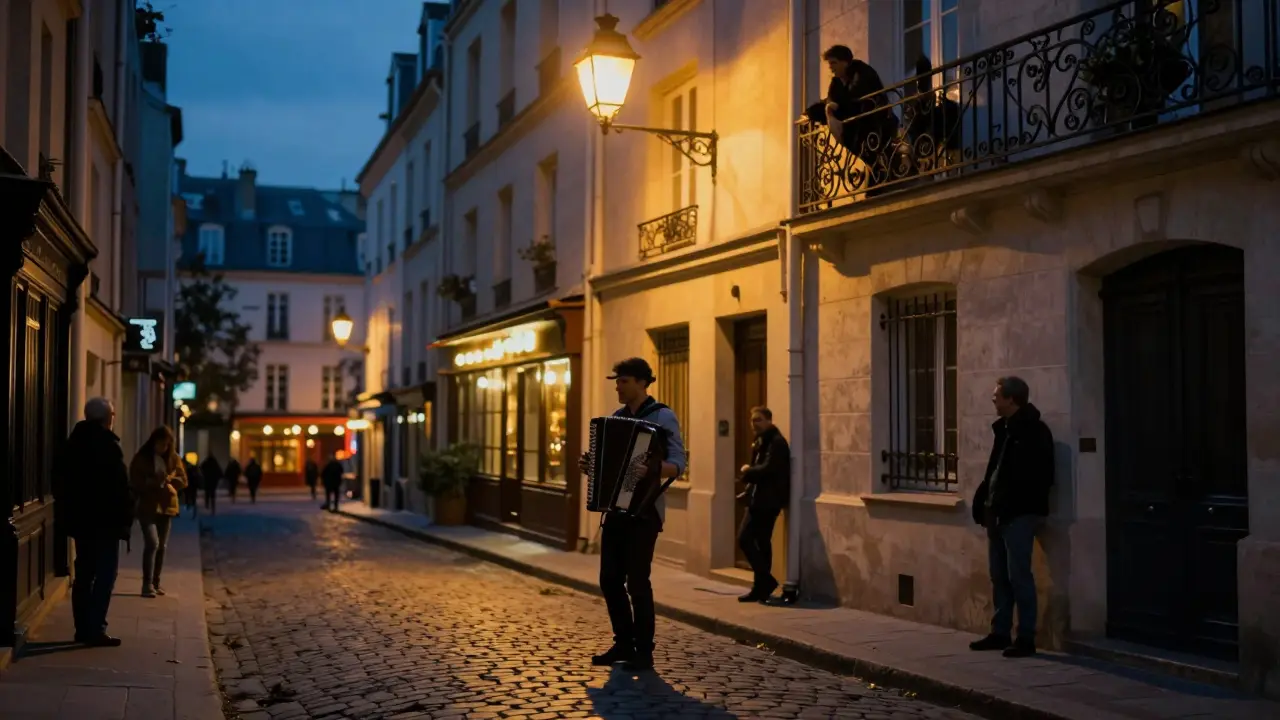
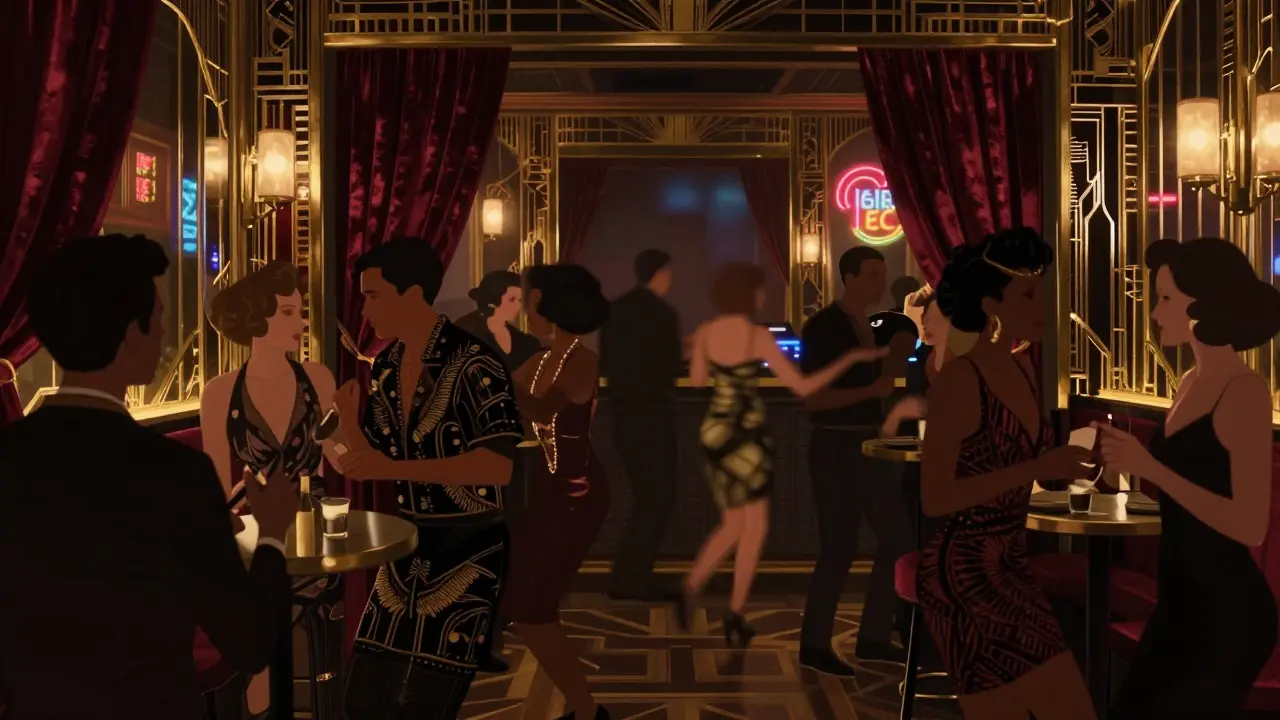
Paris doesn’t sleep when the sun goes down-it comes alive. While the Eiffel Tower sparkles and the Seine glows under string lights, the city’s real energy shifts to its hidden courtyards, jazz cellars, and rooftop terraces. This isn’t just about drinking or dancing. It’s about stumbling upon a 2 a.m. accordion player in Montmartre, sipping a negroni in a 1920s-style speakeasy, or watching the city light up from a balcony above Saint-Germain-des-Prés. If you think Paris is all museums and cafés by day, you’re missing half the story.
Where the Locals Go After Hours
Most tourists stick to the same few spots near the Champs-Élysées or Le Marais. But the real Parisian nights happen where the locals do. In the 10th arrondissement, Bar Le Comptoir Général feels like a secret garden crossed with a vintage library. Wooden shelves overflow with books and odd trinkets, while DJs spin soul and Afrobeat until 3 a.m. It’s not loud, not flashy-just warm, alive, and unmistakably Parisian.
Down in the 11th, Le Baron has been a fixture since the 2000s. It’s not cheap, but it’s worth it. You never know who you’ll bump into-a French film director, a visiting artist, or a celebrity trying to blend in. The dress code is relaxed but intentional: no sneakers, no hoodies. The crowd is mixed, the music is curated, and the vibe is electric without being overwhelming.
For something quieter, head to La Cave des Fées in the 12th. It’s a wine bar disguised as a cellar, with low ceilings, candlelight, and a list of natural wines you won’t find anywhere else. The owner, Sophie, will recommend a bottle based on your mood. One night, she gave me a biodynamic Gamay that tasted like crushed raspberries and wet stone. I still think about it.
The Best Nightclubs for Every Vibe
Paris has clubs that cater to every kind of night owl. If you want high-energy beats and a packed dance floor, Concrete in the 13th is your spot. It’s a converted warehouse with industrial ceilings, a massive sound system, and DJs from Berlin, London, and Tokyo. They don’t do VIP tables. You pay at the door, grab a beer, and dance until your feet ache. No pretense. Just music.
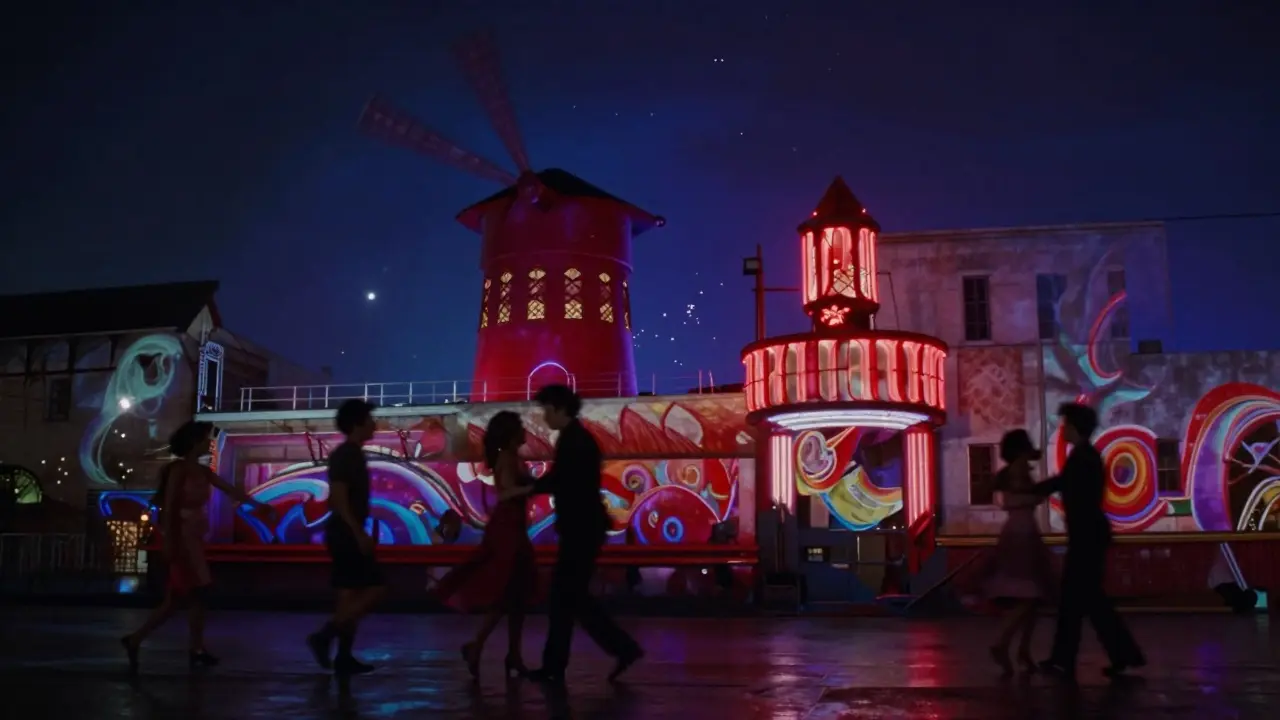
For a more intimate, underground experience, try La Machine du Moulin Rouge. It’s not the famous cabaret-it’s a smaller, experimental space next door. Think live electronic sets, projection mapping on the walls, and dancers moving like shadows. Tickets sell out fast, and you need to book online. It’s not for everyone, but if you’ve ever wanted to feel like you’re inside a dream, this is it.
And then there’s Le Refuge, a queer-friendly club in the 10th that’s been running since 1998. It’s unassuming from the outside-just a red door with no sign-but inside, it’s pure joy. Drag performances, disco balls, and a playlist that jumps from Madonna to Daft Punk. The staff remembers your name. The crowd hugs strangers. It’s the kind of place that reminds you why nightlife matters.
Hidden Gems and Secret Spots
Some of the best nights in Paris happen where you least expect them. Walk past the Canal Saint-Martin at midnight and you might hear faint jazz drifting from Le Perchoir-a rooftop bar with a view of the city’s rooftops and a cocktail list that changes weekly. Order the Parisian Sunset: gin, elderflower, and a splash of beetroot syrup. It’s pink, it’s unexpected, and it’s perfect.
In the 14th, La Belle Hortense is a bookshop by day and a jazz bar by night. The walls are lined with French poetry and vintage posters. On Thursdays, a trio plays standards on upright bass, trumpet, and piano. You can sit at a small table, sip a glass of Burgundy, and read a book while the music wraps around you. No one rushes you. No one even looks at your phone.
And then there’s the Marché des Enfants Rouges at night. Most people only know it as a daytime market. But on Friday and Saturday nights, it turns into an open-air food festival. Street vendors serve Moroccan tagines, Korean fried chicken, and oysters with champagne. Locals bring blankets and sit on the cobblestones. It’s not a club, not a bar-it’s a party without a dance floor.
What to Wear and How to Get Around
Parisians dress for the mood, not the occasion. In a jazz bar, a tailored coat and boots are enough. In a club like Concrete, dark jeans and a clean shirt will get you in. But avoid athletic wear-no hoodies, no running shoes. It’s not about being rich; it’s about being intentional.
Public transport runs until 1:30 a.m. on weekdays and 2:30 a.m. on weekends. After that, you’ll need a taxi or Uber. But here’s a tip: download the Citymapper app. It shows you real-time metro schedules, bike rentals, and even walking routes past the prettiest streetlights. Walking at night in Paris is safe if you stick to well-lit streets. The 1st, 4th, 6th, and 7th arrondissements are especially quiet and beautiful after dark.
When to Go and How to Avoid Crowds
Summer is the busiest. July and August bring tourists from everywhere, and the clubs fill up fast. If you want a real Parisian night, come in late spring (May-June) or early fall (September-October). The weather is mild, the crowds are thinner, and the energy feels more authentic.
Weeknights are better than weekends if you want to avoid lines. Tuesday and Wednesday are the quietest, but that’s when the best underground parties happen. Some clubs don’t even advertise-they send out invites via email or Instagram DM. If you know someone who lives here, ask. If not, check Paris Nightlife Guide on Instagram. They post secret events every Thursday.
Drinks and Dining After Midnight
Paris has some of the best late-night eats in Europe. At 2 a.m., you can find a steaming bowl of choucroute at Le Comptoir du Relais in Saint-Germain. Or grab a sandwich at La Belle Équipe-a tiny spot that opens at 11 p.m. and serves duck confit on crusty bread with a side of pickled vegetables. It’s not fancy, but it’s the kind of meal that makes you feel like you’ve lived here for years.
For drinks, skip the tourist bars near Notre-Dame. Instead, head to Bar à Vin in the 15th. They serve wine by the glass, and the staff will pour you a taste before you decide. They also have a rotating selection of French spirits you’ve never heard of. One night, I tried a calvados from Normandy that tasted like smoked apples and autumn leaves. I bought a bottle to take home.
Final Tips for an Unforgettable Night
Don’t plan every minute. Some of the best moments happen when you wander. Turn down a street you’ve never seen. Follow the music. Say yes to an invitation from someone who smiles too easily. Paris at night rewards curiosity.
Bring cash. Many small bars and clubs don’t take cards. Keep €20-€30 in your pocket.
Learn one French phrase: "Un verre, s’il vous plaît." (A drink, please.) It goes a long way.
And if you wake up with a headache and a smile? That’s Paris.
Is Paris nightlife safe at night?
Yes, most areas popular with nightlife-like Le Marais, Saint-Germain, and Montmartre-are safe after dark. Stick to well-lit streets, avoid isolated alleys, and keep your belongings close. The city has a strong police presence in tourist areas, and public transport runs late. Just use common sense, like you would in any major city.
What’s the best time to visit Paris for nightlife?
Late spring (May-June) and early fall (September-October) are ideal. The weather is pleasant, crowds are smaller, and the energy feels more local. Summer is lively but packed with tourists. Winter nights are quieter but still magical, especially around Christmas markets and cozy jazz bars.
Do I need to book tickets in advance for clubs?
For big clubs like Concrete or La Machine du Moulin Rouge, yes-especially on weekends. Smaller bars and jazz spots rarely require reservations. If a venue looks popular or has a reputation, check their Instagram or website. Many secret events are announced only 24 hours in advance.
Can I go out without speaking French?
Absolutely. Most bartenders and club staff in tourist areas speak English. But learning a few phrases-like "Merci," "Un verre, s’il vous plaît," or "Où est la salle de bain?"-goes a long way. Parisians appreciate the effort, and it often leads to better service or even an invitation to a hidden spot.
What’s the average cost for a night out in Paris?
A drink at a bar costs €8-€12. Cover charges at clubs range from €10-€25, depending on the venue and night. Dinner at a late-night eatery runs €15-€25. If you stick to local spots and avoid tourist traps, you can have a full night out for under €50. Splurge on one special experience-like a rooftop cocktail or a jazz show-and you’ll remember it forever.
If you’re looking for more ways to experience Paris beyond the night, try a sunrise walk along the Seine, a quiet morning at a local bakery, or a visit to a flea market before the crowds arrive. The city reveals itself slowly-but the nights? They’re unforgettable.