When the sun sets over Milan, the city doesn’t sleep-it transforms. The same streets lined with designer boutiques by day become buzzing corridors of music, cocktails, and late-night energy. This isn’t just another European city with a few trendy spots. Milan’s nightlife is a layered experience: high-end lounges, underground techno dens, rooftop views over Duomo, and historic wine bars that have hosted artists and designers for decades. If you’re looking for more than just a drink, you’re in the right place. Here are the Milan nightlife spots that actually deliver-no tourist traps, no overpriced gimmicks, just real energy from people who live here.
1. Bocconi Club
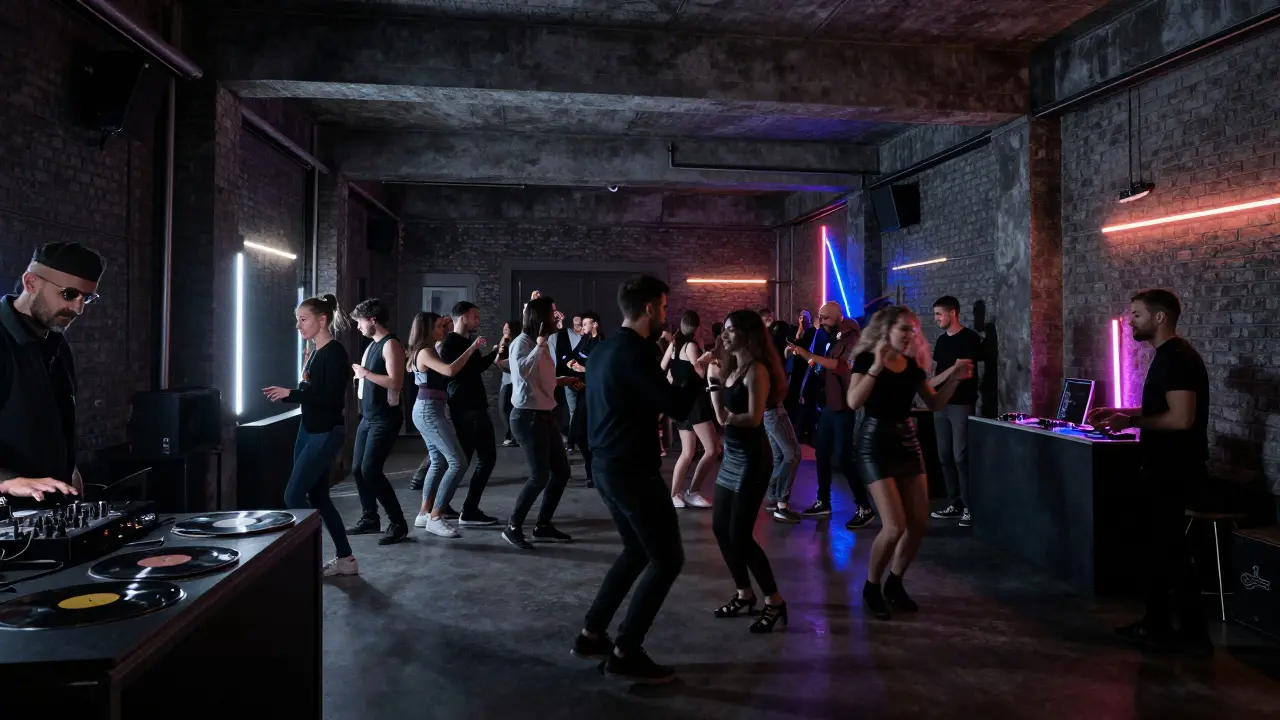
Open since 1998, Bocconi Club isn’t just a club-it’s a rite of passage. Located near the Università Bocconi, it draws a mix of students, designers, and international visitors. The vibe? Minimalist industrial, with deep basslines and a no-photos policy that keeps it real. You won’t find glitter or VIP tables here. Instead, you’ll find people dancing like no one’s watching. The DJ sets change nightly, but the quality doesn’t. If you want to feel like a local, this is where you start.
2. La Terrazza del Poldo
Perched on the 10th floor of a quiet building near Porta Venezia, La Terrazza del Poldo offers one of the most underrated views in the city. The terrace wraps around three sides, giving you a 360-degree look at Milan’s skyline-Duomo, Galleria, and the new Allianz Tower all lit up. The cocktail menu is inventive: think lavender-infused gin or smoked espresso martini. It’s not loud, it’s not crowded, and it’s never booked out. Come at 9:30 p.m. with a friend, order a Negroni Sbagliato, and watch the city glow.
3. Pigneto Milano
Don’t confuse this with Rome’s Pigneto. Milan’s version is a hidden gem tucked into a converted warehouse in the Niguarda district. It’s open Friday and Saturday nights only, and the door policy is strict: no suits, no tourist groups, no phones on the dance floor. The music leans toward house and disco revival, with DJs pulling tracks from the ’70s to today. The crowd? Fashion students, artists, and a few Milanese grandmas who still know how to move. It’s raw, it’s real, and it’s the closest thing Milan has to a true underground scene.
4. Bar Basso
If you’ve heard of the Americano, you’ve heard of Bar Basso. This tiny, wood-paneled bar in the Porta Nuova district invented the drink in 1945-and still makes it better than anyone else. The bartenders here have trained for years, not just in mixing, but in storytelling. Ask for the ‘Basso Special’: a custom blend of Campari, vermouth, and orange peel, stirred slowly with a silver spoon. You’ll be seated at a bar stool that’s been worn smooth by decades of elbows. No music, no flashlights, just the quiet clink of ice and the murmur of conversations between people who’ve been coming here since the ’80s.
5. Officine Uffici
This isn’t a club. It’s a collective. Located in an old industrial zone near Lambrate, Officine Uffici hosts experimental music nights, poetry readings, and silent disco parties. The space changes every week-sometimes it’s a jazz trio, sometimes a DJ spinning vinyl from the ’90s, sometimes just a guy with a laptop and a synth. The crowd is diverse: architects, coders, poets, and travelers who found this place by accident. Entry is free. Drinks are cheap. The vibe? Like stumbling into someone’s living room… if their living room had a 10-foot speaker system and a wall covered in graffiti from 2003.
6. The Roof Garden
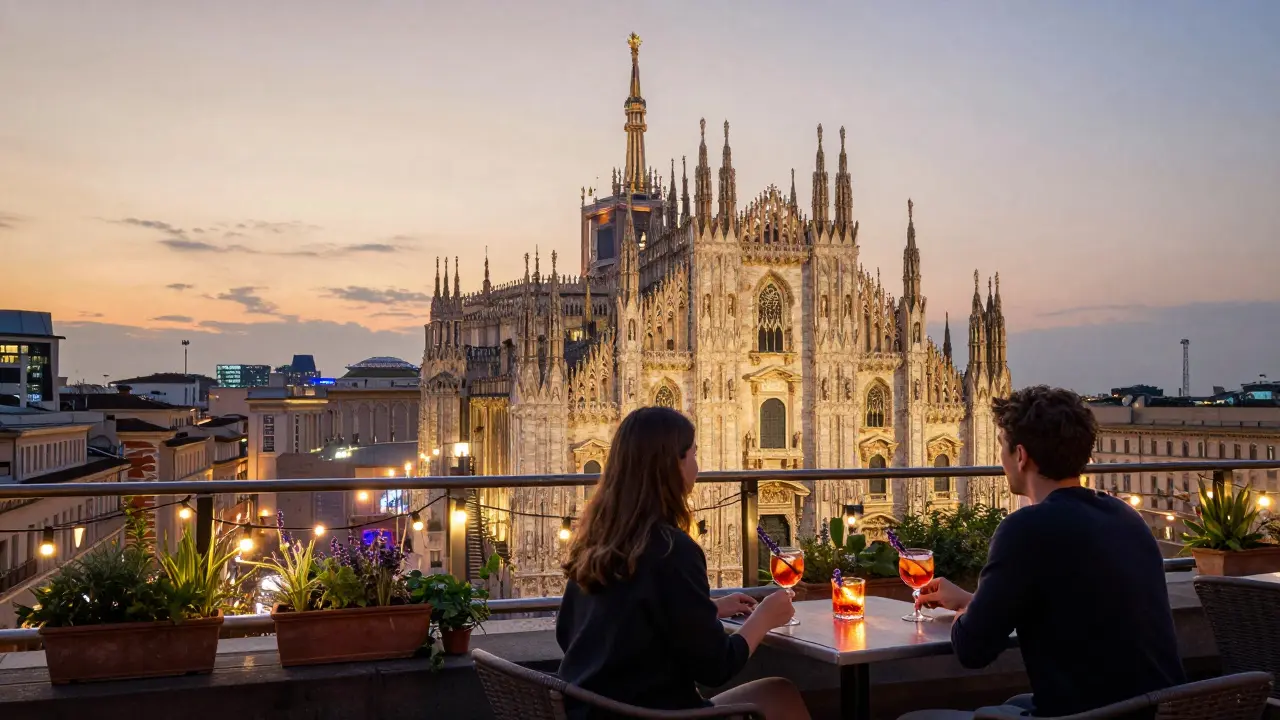
At the top of the Four Seasons Hotel, The Roof Garden isn’t just fancy-it’s flawless. The lighting is soft, the music is jazz and chill electronica, and the cocktails are crafted with herbs grown on-site. You’ll find Milan’s elite here, but they’re not showing off. They’re sipping gin tonics with yuzu and talking about the latest fashion show. The view? Unmatched. You can see the Duomo’s spires, the Brera district, and the distant Alps on clear nights. It’s expensive, yes-but if you’re celebrating something, this is the place to do it right.
7. Caffè del Duomo
Yes, it’s a café. No, it’s not for coffee. This place opens at 9 p.m. and doesn’t close until 3 a.m. It’s run by a 78-year-old woman who still pours espresso like she’s in a 1950s film. The walls are lined with vintage posters of Milanese opera singers and old fashion ads. The crowd? Older Milanese, expats who’ve lived here 20 years, and a few curious tourists who wandered in after getting lost. The wine list is small but excellent-mostly local Lombard reds. No music. No dance floor. Just quiet conversation, candlelight, and the smell of aged wood.
8. L’Oasi
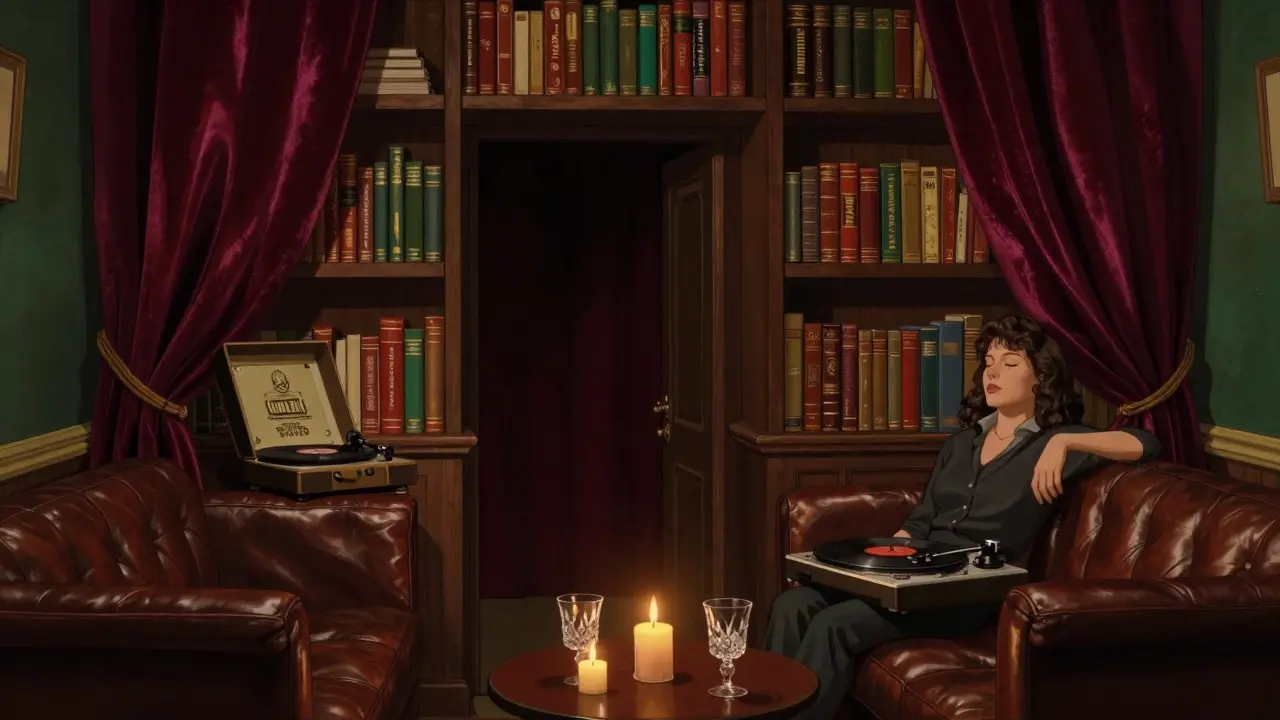
Hidden behind a fake bookshelf in a residential building near Brera, L’Oasi feels like a secret society. You need a password to get in-ask for it at the bar across the street, and they’ll give it to you if you look like you belong. Inside, it’s dim, cozy, and packed with leather sofas. The playlist is a mix of Italian cantautori, French chanson, and rare 1980s synth-pop. The drinks? Homemade liqueurs, aged in oak barrels, served in crystal glasses. This isn’t a party. It’s a moment. You’ll leave with a new favorite song and a story you won’t tell anyone else.
9. Dug Out
Down a narrow alley near Corso Como, Dug Out is a basement bar that opened in 2018 and never stopped evolving. It’s known for its rotating cocktail menus-each one tied to a theme: ‘Post-Punk Milan,’ ‘Silent Films,’ or ‘Lombard Folklore.’ The bartenders don’t just mix drinks-they create experiences. One night, you might get a drink served in a glass carved from ice, with a sprig of rosemary that’s been smoked over juniper. The crowd is young, stylish, and deeply into details. You’ll leave here with a new favorite bartender and a cocktail name you’ll try to recreate at home.
10. San Siro Sound
It’s not in the stadium. It’s in the old ticket office next to it. San Siro Sound is a music-only venue that hosts live bands every Thursday and Friday. No DJs. No cocktails. Just sound. The lineup is always local: indie rock, jazz fusion, experimental electronic. The space is small, the acoustics are perfect, and the crowd is silent until the music hits. Then, everyone moves. It’s the only place in Milan where you can hear a guitar solo and feel it in your chest. Bring cash. No card machines. No reservations. Just show up, stand near the back, and let the music take over.
What to Expect in Milan Nightlife in 2026
Milan’s nightlife has changed. It’s less about flashing lights and more about atmosphere. The city cracked down on noise after 2023, so loud clubs have either closed or gone underground. The new wave of venues focuses on quality: better drinks, better music, better people. You won’t find neon signs or bottle service here. What you’ll find is authenticity. The locals don’t care if you’re from New York or Tokyo-they care if you’re curious. If you show up with an open mind, you’ll leave with a memory that lasts longer than any photo.
Pro Tips for Navigating Milan Nights
- Start late. Most places don’t fill up until after midnight.
- Wear dark, simple clothes. Milanese style is understated. No logos, no sneakers.
- Learn to say ‘un bicchiere di vino rosso, per favore.’ It opens doors.
- Use the metro after 1 a.m. It runs until 3:30 a.m. on weekends.
- Don’t ask for ‘the best club.’ Ask for ‘where do you go after your shift?’
What Not to Do
- Don’t show up at a club at 9 p.m. expecting to dance.
- Don’t wear flip-flops. Even in summer.
- Don’t take photos of people without asking.
- Don’t try to haggle on drinks. You’re not in a market.
- Don’t assume everyone speaks English. Learn a few Italian phrases.
What time do clubs in Milan usually open?
Most clubs in Milan don’t get busy until after midnight. Some, like Bocconi Club or Dug Out, don’t even open their doors until 1 a.m. The earlier spots-like rooftop bars or wine lounges-start around 9 p.m., but the real nightlife kicks in later. If you show up before 11 p.m., you’ll mostly be talking to bartenders and waiting for the crowd.
Is Milan nightlife safe at night?
Yes, Milan is one of the safest major cities in Europe after dark. The streets around Duomo, Brera, and Porta Venezia are well-lit and patrolled. Stick to the main areas, avoid isolated alleys after 2 a.m., and keep your valuables tucked away. Most nightlife spots are run by locals who know their regulars. If you’re unsure, ask the bartender-they’ll point you in the right direction.
Do I need to make reservations?
For most places, no. Rooftop bars like La Terrazza del Poldo or The Roof Garden might take bookings, but even then, it’s not required. Underground spots like L’Oasi or Officine Uffici don’t even have websites. The best way to get in? Just show up. If a place is popular, you’ll wait 10 minutes. If it’s quiet, you’ll walk right in. The only exception is if you’re going with a group of 6 or more-then call ahead.
What’s the dress code in Milan’s nightlife?
Milan’s dress code is simple: look polished, not flashy. Dark jeans, a fitted jacket, clean sneakers or boots. No logos, no hoodies, no athletic wear. Men: skip the shorts. Women: avoid oversized dresses or glitter. You don’t need to look like a model, but you should look like you care. The locals notice. And they’ll let you in.
Are there any free nightlife options in Milan?
Absolutely. Officine Uffici has no cover charge. Bar Basso lets you sit at the bar and listen to the stories for free-just buy a drink. Many bars in Niguarda and Lambrate offer happy hour from 7-9 p.m. with €5 cocktails. Walk through Brera after dark and you’ll find street musicians playing jazz. You don’t need to spend a lot to have a great night. Sometimes, the best moments happen when you’re not paying at all.