Milan doesn’t sleep. Not really. By 10 p.m., the city’s streets are just waking up. While tourists head back to their hotels, locals are lining up outside hidden clubs, sipping Aperol spritzes in back-alley bars, and dancing until sunrise in converted warehouses. This isn’t the Milan of fashion shows and designer boutiques. This is the real Milan after dark - raw, energetic, and unforgettable.
Where the locals go after midnight
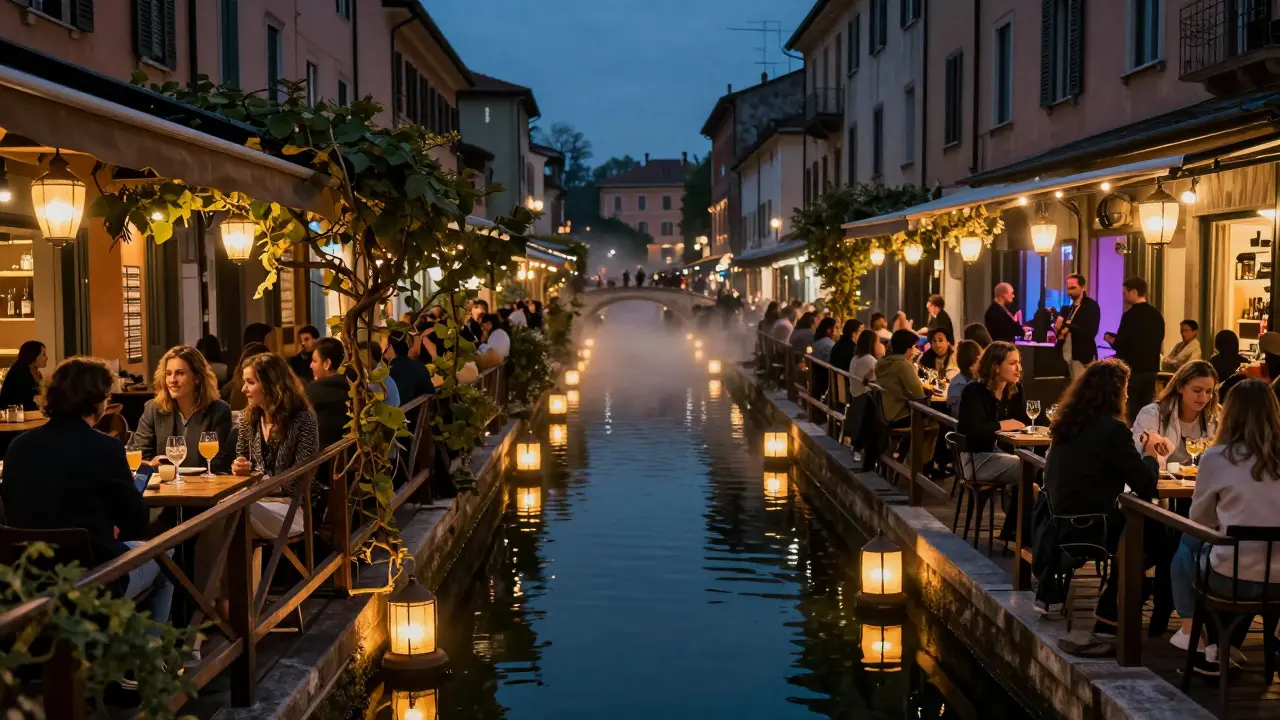
If you want to experience Milan’s nightlife like someone who lives here, skip the tourist traps near Duomo. Head to Navigli instead. This canal district turns into a liquid party after sunset. Bars spill onto the water’s edge, live music drifts from open windows, and people linger over wine with no rush. Try Bar del Fico for craft cocktails in a cozy, vine-covered space, or La Bicicletta for cheap beer and a crowd that’s all about good vibes, not status.
Don’t miss La Cucina di Navigli - it’s not a club, but it’s where the night begins. They serve killer cicchetti (small plates) until 2 a.m., and by 1 a.m., the whole place is buzzing. You’ll see lawyers, artists, and students all laughing together. That’s Milan after dark: no pretense, just connection.
The top clubs for dancing until sunrise
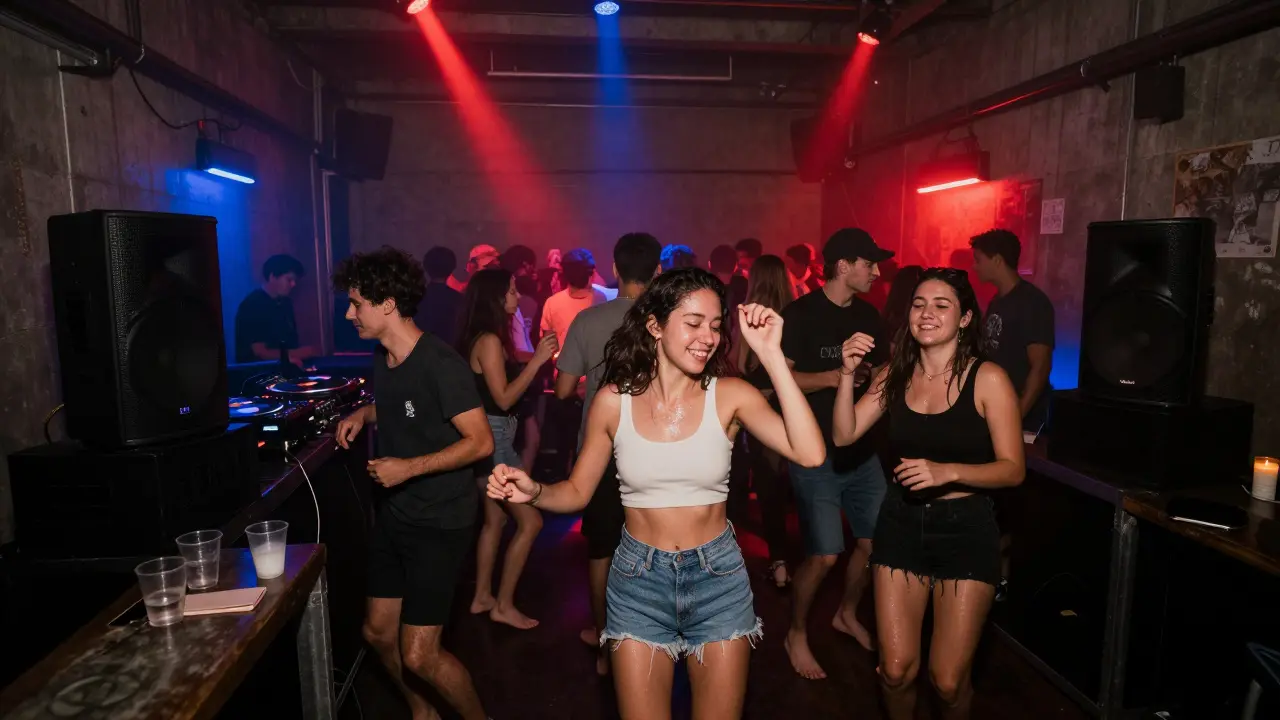
When the music gets loud and the bass shakes your chest, you’re in the right place. Alcatraz is the name everyone whispers. It’s been around since the ’90s and still pulls in international DJs. The space is industrial - concrete walls, dim lights, no VIP section. That’s the point. You come here for the sound, not the view. On weekends, lines form before midnight. Get there early, or you’ll wait an hour just to get in.
For something newer and more experimental, try La Scala Club. It’s not the opera house - it’s a basement venue under a historic building near Porta Genova. They host underground techno and house nights with artists from Berlin, Amsterdam, and Tokyo. The sound system is insane. People say if you’ve never danced here, you haven’t heard real Italian techno.
And then there’s Magazzini Generali. This one’s a bit farther out, near the Porta Vittoria train station. It’s a massive warehouse space with multiple rooms, each playing a different genre. One floor is deep house, another is hip-hop, and the rooftop terrace has live jazz on Fridays. It’s open until 6 a.m. - and yes, people stay that long.
Lounges where the vibe matters more than the drink
Not everyone wants to dance. Some just want to sit, talk, and watch the city glow. That’s where lounges come in. Il Salotto di Via Manzoni is a velvet-and-mahogany hideaway with dim lighting and a bartender who remembers your name. Their signature drink? The Milanese Negroni - made with local gin, bitter orange, and a single drop of violet liqueur. It’s expensive, but worth it.
For a rooftop view without the tourist price tag, go to Terrazza Aperol on the 12th floor of a building near the Brera district. It’s not flashy, but the skyline of Milan at night - with the Duomo lit up and the skyscrapers blinking - is unforgettable. They serve Aperol spritzes for €8, and the music is smooth jazz or Italian indie. No EDM. No shouting. Just quiet magic.
And if you’re into hidden gems, find Bar Basso. It’s not new, but it’s legendary. This is where the Negroni was invented in 1919. The place hasn’t changed in decades. Wooden booths, red walls, a single bartender who’s been there since 1987. Order the original Negroni. Don’t ask for substitutions. This isn’t a place to experiment. It’s a place to honor history.
What to expect: dress code, prices, and timing
Dress code in Milan is simple: look put together, but not like you’re trying too hard. No sneakers. No hoodies. No flip-flops. Jeans are fine if they’re clean and not ripped. A nice shirt or blouse, and you’re golden. Clubs like Alcatraz don’t check, but lounges like Il Salotto will notice if you show up in athletic wear.
Prices? A beer at a local bar costs €4-6. A cocktail in a lounge? €12-18. Drinks at club entrances? €15-25, depending on the night. Cover charges for clubs range from €10 to €25. Most places don’t take cash after midnight - card only. Bring a card with no foreign transaction fees.
Timing matters. Bars open at 7 p.m. but don’t get busy until 10. Clubs don’t fill up until after midnight. Most people don’t even start dancing until 1 a.m. And if you leave before 3 a.m., you’re early. The real night starts after 2 a.m.
How to get around safely at night
Milan is safe after dark, but not everywhere. Stick to the main nightlife zones: Navigli, Porta Genova, Brera, and Corso Como. Avoid walking alone through empty streets near Lambrate or San Siro unless you know the area. Use the metro - it runs until 1:30 a.m. on weekends. After that, Uber and FreeNow work fine. Taxis are expensive, but reliable.
Don’t rely on Google Maps for nightlife directions. Many bars don’t show up until you’re right outside. Ask locals. Ask the bartender. Say, “Dove va la gente dopo mezzanotte?” - “Where do people go after midnight?” They’ll point you to the next spot. That’s how the scene works.
Seasonal changes: what’s different in winter vs. summer
In summer, Navigli is packed. Outdoor terraces overflow. Pop-up bars appear on boats. The energy is loud, colorful, and endless. Winter is quieter, but more intimate. Many clubs move indoors. Rooftops close. But the real regulars? They’re still there. The music gets deeper. The crowds get smaller. And the atmosphere? More magical.
December is special. Milan’s Christmas lights turn the city into a glittering maze. Bars set up heated patios. Some clubs host themed nights - think jazz with mulled wine, or electronic sets with projections of snow falling on the Duomo. It’s not the same as summer, but it’s better in its own way.
What to avoid
Don’t go to clubs that advertise “Milan’s #1 Party Spot” on Instagram. Those are usually overpriced, crowded with tourists, and play Top 40 remixes. You’ll pay €30 for a drink and hear the same song you heard in New York last week.
Avoid places that require you to book a table in advance unless you’re with a group of six or more. Most authentic spots don’t do table service. They’re standing-room only. That’s how you meet people. That’s how the night unfolds.
And don’t expect English to be spoken everywhere. In Navigli and Brera, you’ll find it. In underground clubs? Not always. Learn a few phrases: “Un cocktail, per favore,” “Quanto costa?”, “Dove si balla?” It goes a long way.
Final tip: the one thing no guide tells you
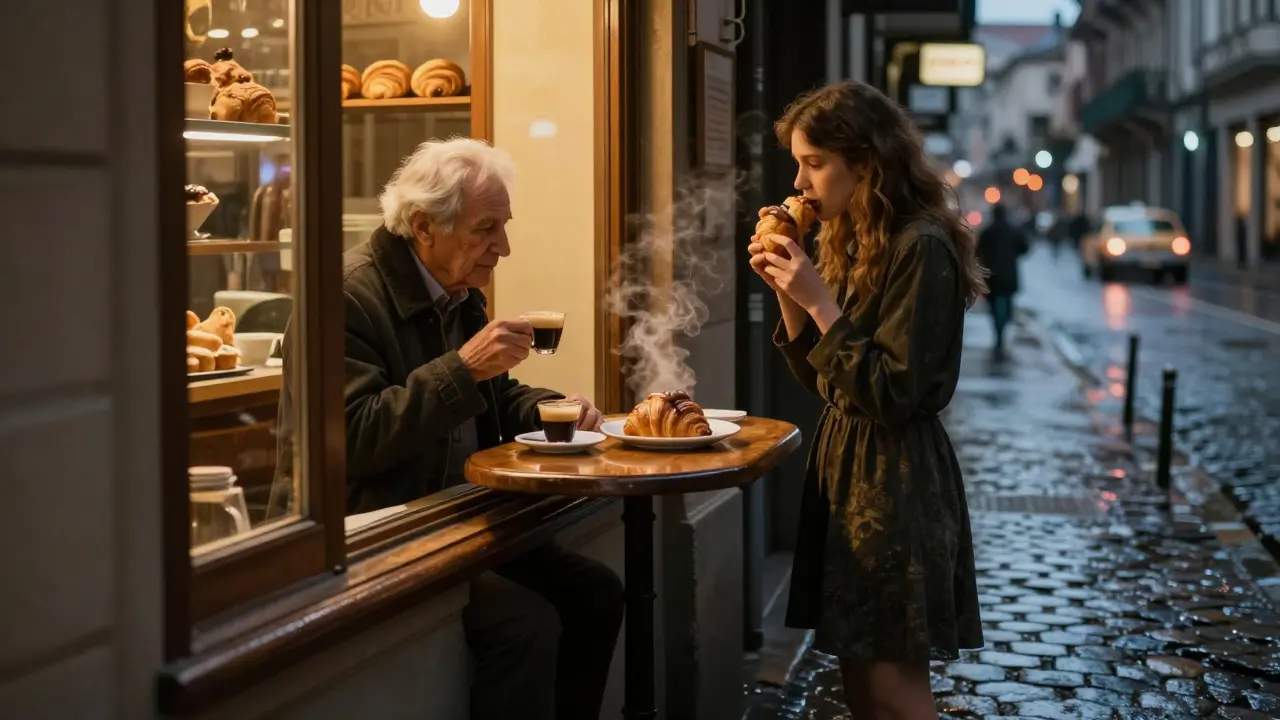
The best night in Milan doesn’t start at a club. It starts at a bakery. Around 2 a.m., when the music fades and your feet ache, head to Pasticceria Marchesi on Via Torino. They’re open 24 hours. They serve warm cornetti with chocolate filling and strong espresso. No one’s dressed up. No one’s taking photos. Just tired people, smiling, refueling before heading home.
That’s Milan nightlife. Not the loudness. Not the lights. But the quiet moments after the storm - when you realize you’ve spent the night with strangers who became friends, and you didn’t even plan it.
What time do clubs in Milan usually close?
Most clubs in Milan stay open until 3 a.m. or later, especially on weekends. Some, like Magazzini Generali, run until 6 a.m. The real party often starts after midnight, so don’t expect to dance before 1 a.m. Always check the event page - some clubs have special closing times for holidays or themed nights.
Is Milan nightlife safe for solo travelers?
Yes, Milan is generally safe for solo travelers at night, especially in popular nightlife areas like Navigli, Brera, and Porta Genova. Avoid walking alone in poorly lit or unfamiliar neighborhoods after 2 a.m. Stick to main streets, use Uber or FreeNow after midnight, and trust your gut. Locals are usually helpful if you ask for directions.
Do I need to book a table at Milan clubs?
Almost never. Most authentic clubs in Milan are standing-room only. Table service is rare and usually only offered at high-end lounges or during special events. Booking a table often means paying extra for drinks you don’t need. If you’re with a group of six or more, it’s worth asking, but for most people, just show up and join the crowd.
What’s the best night to go out in Milan?
Friday and Saturday nights are the busiest and most vibrant. But if you want a more local, less crowded experience, try Thursday. Many clubs host special guest DJs or themed nights on Thursdays, and the vibe is more relaxed. Sunday nights are surprisingly good too - especially at lounges like Terrazza Aperol, where the crowd is chill and the music is smooth.
Are there any age restrictions for clubs in Milan?
Yes. Most clubs require you to be at least 18 years old, and many enforce a 21+ policy, especially for venues with late-night liquor licenses. Always carry a valid ID - even if you look older. Bouncers check IDs regularly, and being turned away for not having one is common.
Can I pay with cash in Milan nightlife spots?
Some bars and smaller venues still take cash, but most clubs and lounges are card-only after 10 p.m. ATMs are plentiful, but lines form late at night. Bring a card with no foreign transaction fees. Credit cards are widely accepted, and contactless payments are the norm. Don’t rely on cash unless you’re in a very local, non-tourist bar.