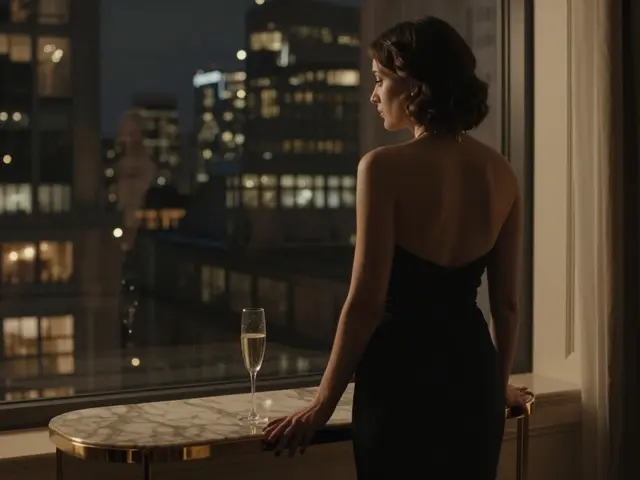
When the sun goes down in Milan, the city doesn’t sleep-it transforms. Forget the quiet, elegant streets you saw during the day. At night, Milan becomes a pulsing, stylish, and electric party hub that draws locals, tourists, and international partygoers alike. This isn’t just another European city with a few trendy spots. Milan’s nightlife is a layered experience: from hidden speakeasies and rooftop lounges to massive clubs that go until dawn, all wrapped in Italian flair and fashion-forward energy.
Where the locals go after work
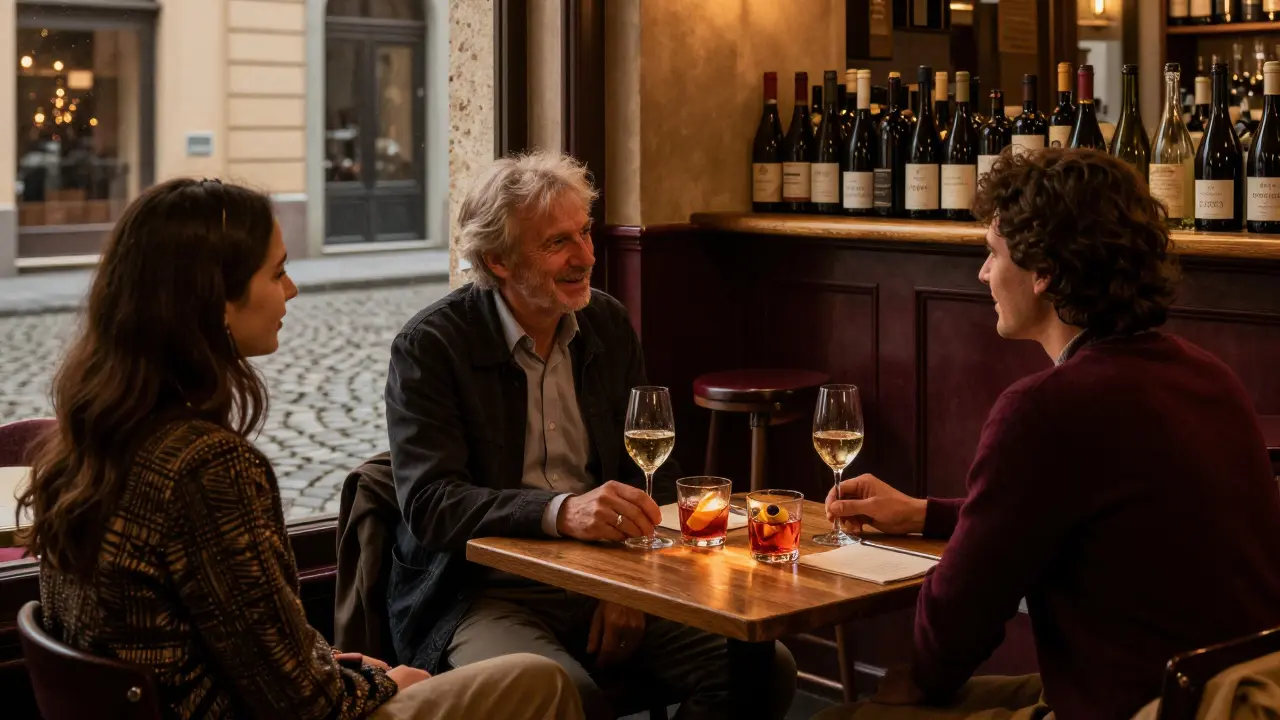
If you want to see Milanese nightlife the way real Milanese live it, start in Brera. This historic neighborhood turns into a buzzing mix of wine bars and cocktail lounges after 7 p.m. Locals gather at Bar Basso, famous for inventing the Negroni Sbagliato. It’s not loud, it’s not flashy-it’s the kind of place where you’ll see a 65-year-old professor chatting with a 22-year-old designer over a glass of Prosecco. The vibe is relaxed, the lighting is dim, and the conversation flows like the wine.
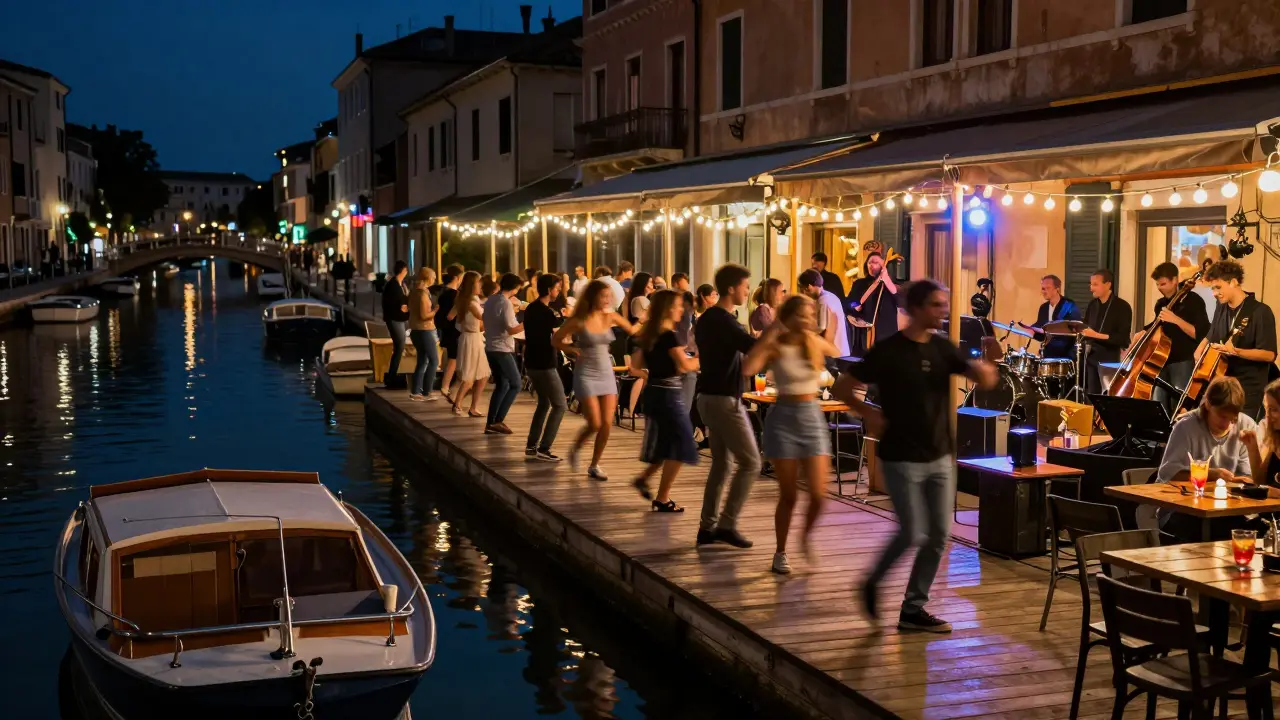
Head over to Navigli after 9 p.m., and you’ll find the city’s most lively stretch of outdoor bars. The canals are lined with terraces, live music, and people dancing on wooden platforms. You don’t need a reservation. Just walk along the water, pick a spot, and order a spritz. The crowd here is mixed-students, artists, expats, and young professionals all blending together. On weekends, the music shifts from jazz to electronic, and the party stretches until 2 a.m.
The club scene: From underground to mega venues
Milan’s club scene splits into two worlds: intimate underground spots and massive, high-energy venues that rival Berlin or Ibiza.
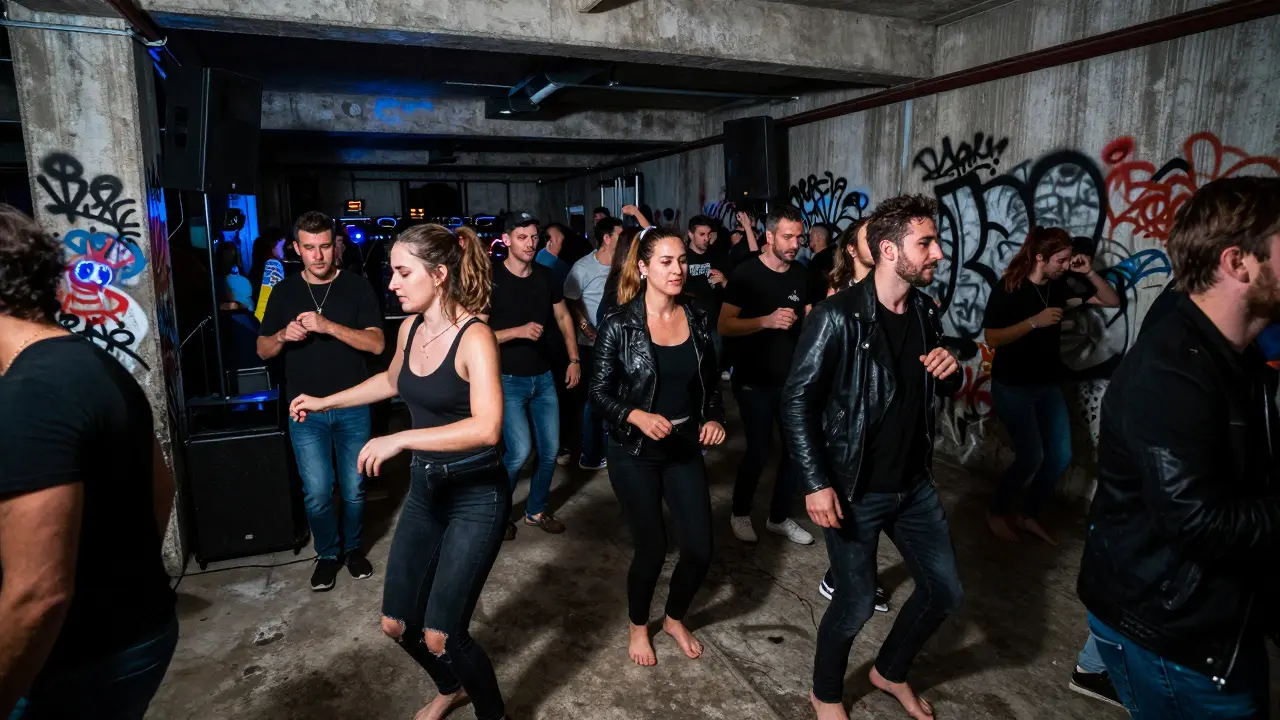
For something raw and real, hit Ex Dogana in the Porta Romana area. It’s an old industrial building turned into a warehouse club with no sign, no bouncer, and no dress code. You’ll find techno, house, and experimental sounds from midnight to sunrise. The crowd? Mostly locals who’ve been coming for years. No VIP tables. No bottle service. Just music, sweat, and a sense of discovery.
On the other end, La Scala Club (not to be confused with the opera house) is a 3,000-person mega-club with four rooms, each playing a different genre. One room has Italian disco, another has deep house, a third has live DJ sets from global stars, and the fourth? A retro 80s dance floor with neon lights and a full mirror ball. It opens at 11 p.m. and doesn’t slow down until 6 a.m. Entry is €15 on weekdays, €25 on weekends. You’ll need to dress sharp-no sneakers, no hoodies.
Rooftop bars with a view
Milan’s skyline is one of its best-kept secrets. The best way to see it? From a rooftop bar.
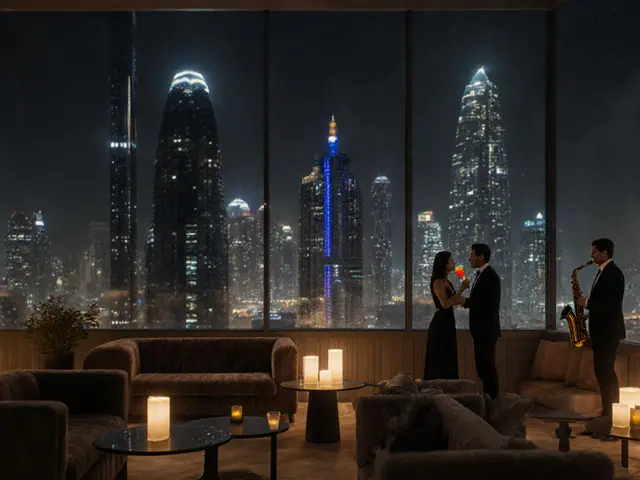
Terrazza Triennale sits on top of the Triennale Design Museum and offers 360-degree views of the Duomo, the Galleria, and the modern towers of Porta Nuova. They serve craft cocktails made with Italian herbs and spirits. It’s not a club-it’s a place to sip, chat, and watch the city lights blink on. The crowd here is mostly couples and small groups of friends. No loud music, no dancing. Just a perfect glass of Aperol and the sound of the city breathing.
For something more exclusive, try Level 21 at the Park Hyatt Milan. It’s a glass-walled bar on the 21st floor with a minimalist design and a DJ spinning chilled beats. You’ll need a reservation, and they enforce a strict dress code: no sportswear, no sandals. It’s expensive-cocktails start at €18-but if you’re looking for a classy night out with a skyline backdrop, this is it.
What time do things actually start?
Don’t show up at 9 p.m. expecting a party. Milanese nightlife runs on its own clock. Here’s the real schedule:
- 7-9 p.m.: Aperitivo hour. Bars offer free snacks with drinks (usually €10-15). This is when locals unwind after work.
- 9-11 p.m.: Dinner time. Most restaurants don’t serve after 10 p.m., and dinner lasts at least two hours.
- 11 p.m.-1 a.m.: The first wave of nightlife. Bars fill up. Clubs open. You’ll start seeing lines forming.
- 1 a.m.-3 a.m.: Peak time. Clubs are packed. Music is loud. The energy is at its highest.
- 3-6 a.m.: The afterhours. Only the true believers stay. Ex Dogana, Paddy’s, and some secret spots keep going until sunrise.
Most clubs don’t really get going until after midnight. If you show up at 11:30, you’ll be one of the first. By 1 a.m., you’ll be shoulder-to-shoulder.
What to wear (and what to avoid)
Milan is fashion capital for a reason. What you wear matters-not because it’s snobby, but because it’s part of the culture.
For clubs like La Scala Club or Level 21: smart casual. Men: dark jeans, button-down shirt, leather shoes. Women: dresses, tailored pants, heels or stylish flats. No sneakers. No baseball caps. No baggy clothes.
For underground spots like Ex Dogana: comfortable but cool. Black jeans, a good jacket, boots. You don’t need to look expensive-you just need to look intentional.
For Navigli and Brera: anything goes. A linen shirt, a sundress, even sandals are fine. This is where Milan feels human.
How to get in (and how to avoid the lines)
Lines outside clubs can be long-especially on weekends. Here’s how to skip them:
- Book in advance. Most big clubs have WhatsApp or Instagram pages where you can message for guest list access. Just say your name, date, and group size.
- Go on a weekday. Thursday and Friday are busy. Saturday is packed. Sunday? Empty. You’ll get in faster, pay less, and have more space to dance.
- Arrive early. Show up at 11:30 p.m. instead of 1 a.m. You’ll avoid the 45-minute wait.
- Don’t rely on apps like Resident Advisor. They’re outdated. Use Instagram. Search #milannightlife or #milanclubbing for real-time updates.
Drinks you must try
Milan’s cocktail culture is legendary. Don’t just order a beer or a vodka soda. Try these:
- Negroni Sbagliato-The city’s signature drink. Made with Prosecco instead of gin. Light, bitter, perfect for sipping.
- Aperol Spritz-The classic. But in Milan, they use local Aperol and serve it with a fresh orange slice, not a sad wedge.
- Spumante-A sparkling wine from Lombardy. It’s cheaper than Champagne and just as bubbly.
- Amaretto Sour-A sweet, creamy cocktail with almond liqueur. Ask for it made with real egg white.
Most bars will make these for you. If they don’t know them? Walk out. That’s not a real Milanese bar.
What to skip
Not every place lives up to the hype. Avoid these:
- Bars near the Duomo-Overpriced, crowded with tourists, and no local presence.
- “Italian-themed” clubs-You know the ones. Fake gondolas, fake opera singers, fake passion. Skip them.
- Places that charge €50 for a drink-If it’s not a VIP table at a 5-star hotel, you’re being scammed.
Stick to the neighborhoods we mentioned. They’re where the real energy is.
Final tips: Stay safe, stay smart
Milan is generally safe, but nightlife brings risks. Here’s how to keep it smooth:
- Use the metro. It runs until 1:30 a.m. on weekdays, 2:30 a.m. on weekends. Taxis are expensive and slow.
- Don’t carry cash. Use a contactless card or Apple Pay. Pickpockets target crowded clubs.
- Keep your phone in a front pocket. No dangling it from your belt.
- Have a plan to get back. Write down the name of your hotel and save the number of a trusted local contact.
And one last thing: don’t rush. Milan’s nightlife isn’t about checking off clubs. It’s about the moments-the laughter over a spritz, the beat dropping in a dark warehouse, the sunrise over the Navigli canal. Slow down. Enjoy it.
What’s the best night to go out in Milan?
Thursday and Friday are the sweet spot. Clubs are busy but not overwhelming, prices are lower than Saturday, and the crowd is more local. Saturday is the most crowded and expensive-great if you want the full experience, but expect lines and higher cover charges. Sunday is surprisingly good for late-night drinks and quieter vibes.
Is Milan nightlife expensive?
It depends. Aperitivo in Brera costs €10-15 and includes food. A cocktail at a rooftop bar runs €15-22. Club entry is €10-25, depending on the venue and night. Drinks inside clubs are €12-18. Compared to Paris or London, Milan is mid-range-you get more value for your money. Skip the tourist traps, and you’ll find affordable, authentic spots everywhere.
Can I go out alone in Milan at night?
Yes, and many locals do. Milan is one of the safest major European cities for solo nightlife. Stick to well-lit areas like Navigli, Brera, and Porta Romana. Avoid isolated streets after midnight. Bars and clubs are generally welcoming to solo visitors-you’ll find people to chat with easily. Just stay aware, keep your belongings secure, and trust your gut.
Do I need to speak Italian to enjoy Milan nightlife?
Not at all. English is widely spoken in bars and clubs, especially in tourist areas. But learning a few phrases-like "Un aperitivo, per favore" or "Quanto costa?"-goes a long way. Locals appreciate the effort, and it opens doors to better service and even invites to hidden spots.
Are there any age restrictions for clubs in Milan?
Most clubs require you to be 18 or older. Some upscale venues, like Level 21 or La Scala Club, enforce a 21+ rule. Always carry a valid ID-passport or EU ID card. No exceptions. Bouncers check carefully, and fake IDs rarely work.