Most tourists in Paris stick to the same five spots: the Eiffel Tower, the Louvre, Montmartre, Notre-Dame, and Champs-Élysées. But if you’ve been before-or even if you haven’t-you’re missing the real Paris. The city doesn’t reveal itself to postcard photographers or Instagram influencers. It whispers its best moments to those who wander without a map, who slip into alleyways, who sit quietly in corners no guidebook mentions.
Where the Locals Have Coffee
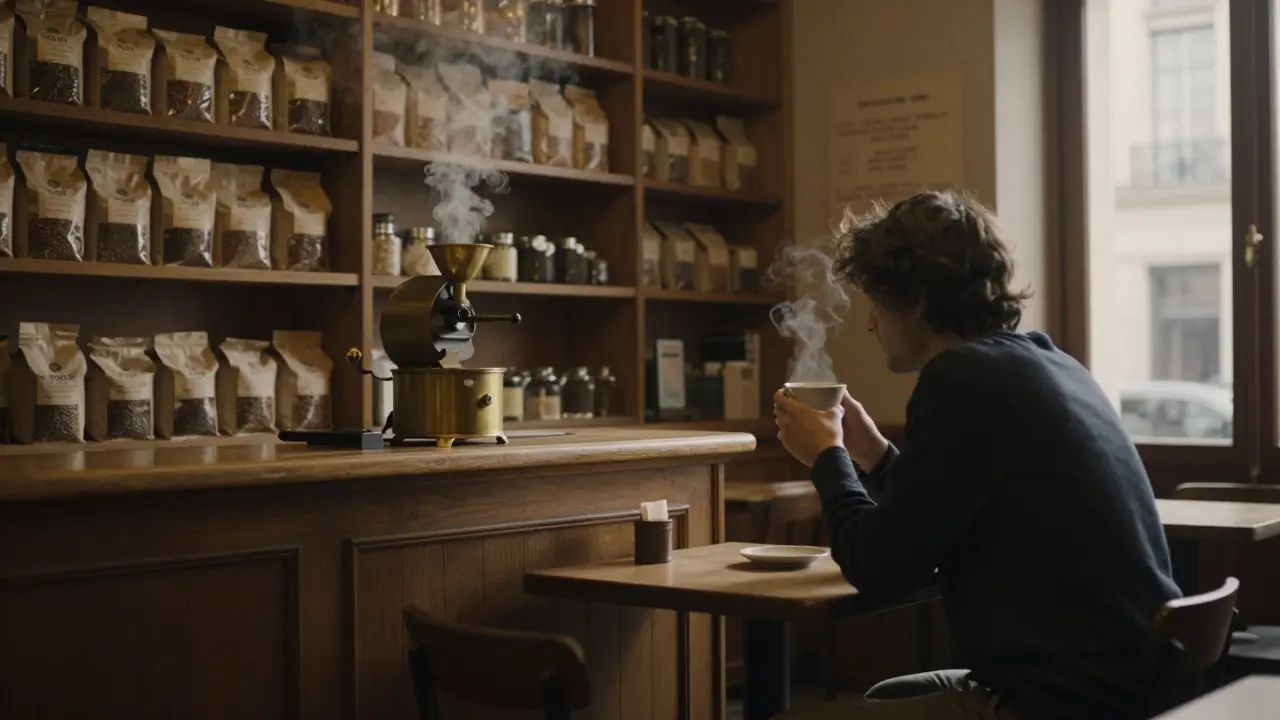
You’ve seen the cafés on Rue de Rivoli, crowded with tourists sipping overpriced espresso. Skip them. Head to La Caféothèque in the 10th arrondissement. It’s not a café. It’s a coffee library. You pick beans like books, roast them on-site, and sip them in silence. Locals come here to talk about terroir, not selfies. The owner, a former barista from Colombia, will ask you how you like your brew-not just ‘espresso or latte?’ but ‘do you prefer the Ethiopian with citrus notes or the Sumatran with dark chocolate?’ You’ll leave with a bag of beans and a new way to think about coffee.
The Secret Garden Behind a Bookstore
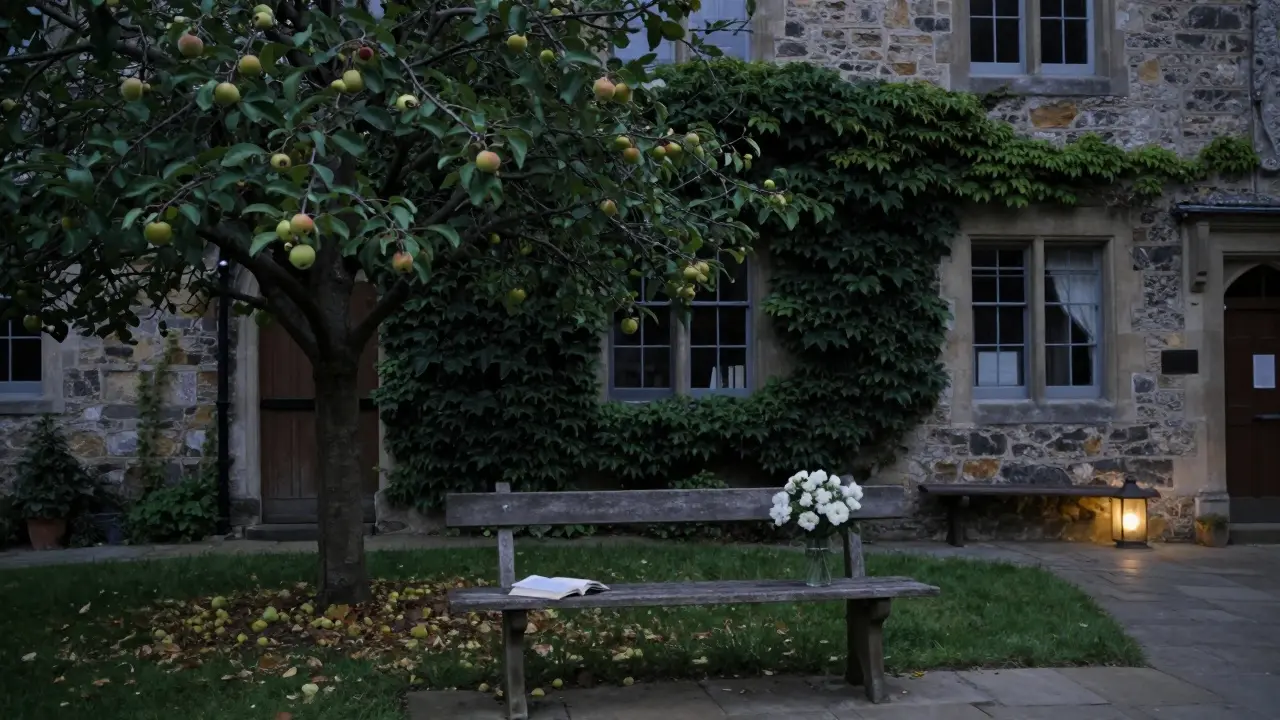
Walk into Shakespeare and Company at noon. You’ll see lines of people waiting to take photos with the famous wooden staircase. But if you slip through the back door after 5 p.m., past the staff-only area, you’ll find a hidden courtyard. It’s small. Just a few benches, ivy-covered walls, and a single apple tree that drops fruit in autumn. Parisians come here to read, to write letters, to sit alone. No one takes photos. No one speaks above a whisper. It’s been this way since the 1980s. The bookstore owner, a woman in her 70s, still leaves fresh flowers on the bench every Monday.
The Underground Jazz Cellar No One Talks About
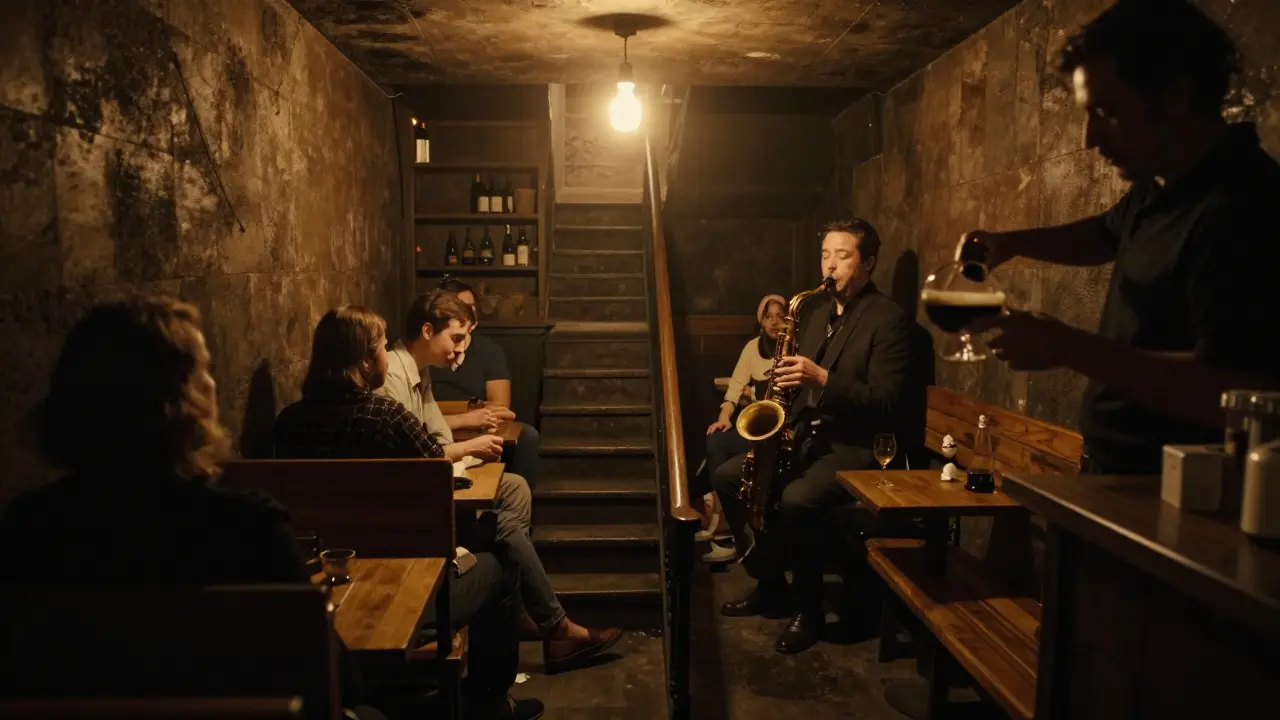
You’ve heard of the jazz clubs in Saint-Germain-des-Prés. They’re loud, expensive, and full of tourists pretending to be sophisticated. The real jazz scene lives below street level in the 11th arrondissement, inside a former 1920s wine cellar. The entrance? A rusted iron door behind a boulangerie. No sign. Just a single lightbulb hanging above a bell. Ring it. The door opens. You descend 14 steps. The room is dim, packed with wooden benches, and smells like old whiskey and cigarette smoke from decades ago. There’s no menu. No drinks list. Just a man behind the bar who asks, ‘What kind of night are you having?’ Then he pours you something that tastes like midnight. The musicians? They’re retired professors, ex-sailors, former dancers. They play without sheet music. They don’t care if you clap. They play because they have to.
The Floating Market on the Seine
Every Sunday morning, before the sun rises over the Pont Alexandre III, a small barge moors near the Île Saint-Louis. It’s not a tourist attraction. It’s a floating market run by three sisters who grow their own vegetables in a rooftop garden in the 15th arrondissement. You’ll find heirloom tomatoes, purple carrots, wild mint, and honeycomb from bees they keep on a balcony overlooking the Seine. No prices listed. You pay what you feel is fair. They’ll hand you a sprig of rosemary and say, ‘Put it in your soup tonight.’ No one knows their names. Tourists never find it. Locals show up with cloth bags and quiet smiles.
The Forgotten Cemetery with No Headstones
Most people think Père Lachaise is Paris’s most interesting cemetery. It’s not. The real one is Cimetière des Batignolles, in the 17th. It’s quiet. No crowds. No guided tours. And here’s the twist: there are no headstones. Instead, families plant trees. Each grave is marked by a single sapling-oak, birch, chestnut. Over time, the roots grow around the names etched into the soil. Some trees are 80 years old. You can read the names by touching the bark. A French poet once said, ‘Here, the dead don’t rest. They grow.’ Walk through it in late April. The air smells like wet earth and lilac.
The Rooftop That Doesn’t Exist
There’s a rooftop bar in the 6th arrondissement that doesn’t show up on Google Maps. It’s above a dry cleaner. You need a password. You get it from a local bookseller who knows you’re not just another tourist. The bar is tiny-six stools, one bottle of gin, one jar of olives. The bartender, a former architect, will ask you why you came to Paris. If you answer honestly, he’ll open a hidden panel behind the fridge and show you a view no one else has: the entire city from behind the dome of the Panthéon, the way it looks when the streetlights flicker on and the fog rolls in from the Seine. You’ll sit there for an hour without speaking. No one rushes you. No one takes a photo. You just watch.
Why These Places Stay Secret
Paris doesn’t hide these places to be exclusive. It hides them because they’re fragile. They’re not designed for crowds. They’re designed for moments. A quiet conversation. A shared silence. A moment of recognition-when you realize you’re not just visiting a city, but slipping into its rhythm. The people who keep these places alive don’t want fame. They want continuity. They want someone to sit where they sat, to feel what they felt, to pass it on.
Most visitors leave Paris with photos of monuments. The ones who stay longer leave with memories that don’t fit on a phone screen. They leave with the taste of honeycomb on their tongue. The sound of a saxophone in a cellar. The smell of lilac above a grave. They leave knowing that Paris isn’t a place you see. It’s a place you feel.
Are these places safe to visit alone?
Yes. All the places mentioned are in well-traveled, residential neighborhoods and are frequented by locals at all hours. They’re not hidden because they’re dangerous, but because they’re quiet and low-key. As with any city, use common sense: avoid isolated areas late at night, keep your phone charged, and trust your instincts. Parisians are generally welcoming to respectful visitors who aren’t loud or demanding.
Do I need to speak French to find these spots?
Not at all. But a few basic phrases help-‘Bonjour,’ ‘Merci,’ ‘S’il vous plaît.’ Most of the people running these places don’t expect you to speak French fluently. They care more about your curiosity than your grammar. If you smile, listen, and show genuine interest, they’ll guide you. Many of these spots have been visited by foreigners for decades. They’re used to it.
Can I take photos at these places?
At most of them, yes-but quietly. The garden behind Shakespeare and Company? Take one photo, then put the phone away. The rooftop bar? No photos at all. The floating market? Ask before you raise your camera. These places aren’t museums. They’re living spaces. People come to be present, not to post. If you’re there to capture content, you’ll miss the point.
What’s the best time to visit these hidden spots?
Early morning or late evening. The coffee library opens at 7 a.m. The courtyard behind the bookstore is best after 5 p.m. The jazz cellar starts at 9 p.m. The floating market is only there on Sundays from 6 a.m. to 10 a.m. The cemetery is peaceful at sunrise. These places are alive when the city is quiet. Avoid weekends if you want space to breathe.
Are these places free to visit?
Most are. The coffee library lets you taste samples for free. The courtyard is open to all. The jazz cellar has no cover charge-you pay for what you drink, and it’s usually under €8. The floating market operates on a ‘pay what you feel’ system. The rooftop bar doesn’t charge for the view-it only charges for the drink, and it’s €12. No one is trying to make money off you. They’re just sharing something they love.