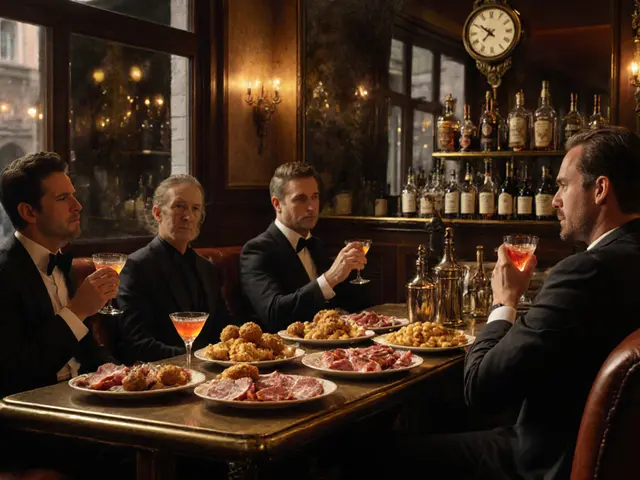
London’s escort industry didn’t start with apps or Instagram DMs. It began in back alleys, drawing rooms, and the quiet corners of 18th-century taverns. Back then, companionship for money wasn’t called ‘escorting’-it was called survival, discretion, or sometimes, just ‘the trade.’ What’s changed isn’t the demand, but how it’s seen, sold, and regulated.
18th Century: The Rise of the Courtesan
In Georgian London, wealthy men hired women not just for sex, but for conversation, culture, and social access. These women weren’t streetwalkers-they were educated, often fluent in French, skilled in music, and moved in circles that included artists, politicians, and nobles. Elizabeth Carter, known as ‘The Duchess of Devonshire’s companion,’ was one of many who lived in luxury, paid by aristocrats who valued her intellect as much as her company. The line between mistress and escort was blurry, but the money flowed. There were no ads, no websites-just word of mouth, trusted networks, and the occasional coded note passed in a theater box.
19th Century: Moral Panic and the Contagious Diseases Acts
By the 1800s, industrialization brought more people into the city, and with them, more demand for companionship. Prostitution became visible in areas like Soho and Whitechapel. The government responded not with regulation of the trade, but with punishment. The Contagious Diseases Acts of the 1860s allowed police to arrest women suspected of prostitution and force them into medical exams-no warrant needed. Men were never checked. The laws were repealed in 1886 after public outcry led by activists like Josephine Butler, but the stigma stuck. Escort work became something whispered about, never named outright.
Mid-20th Century: The Shadow Economy
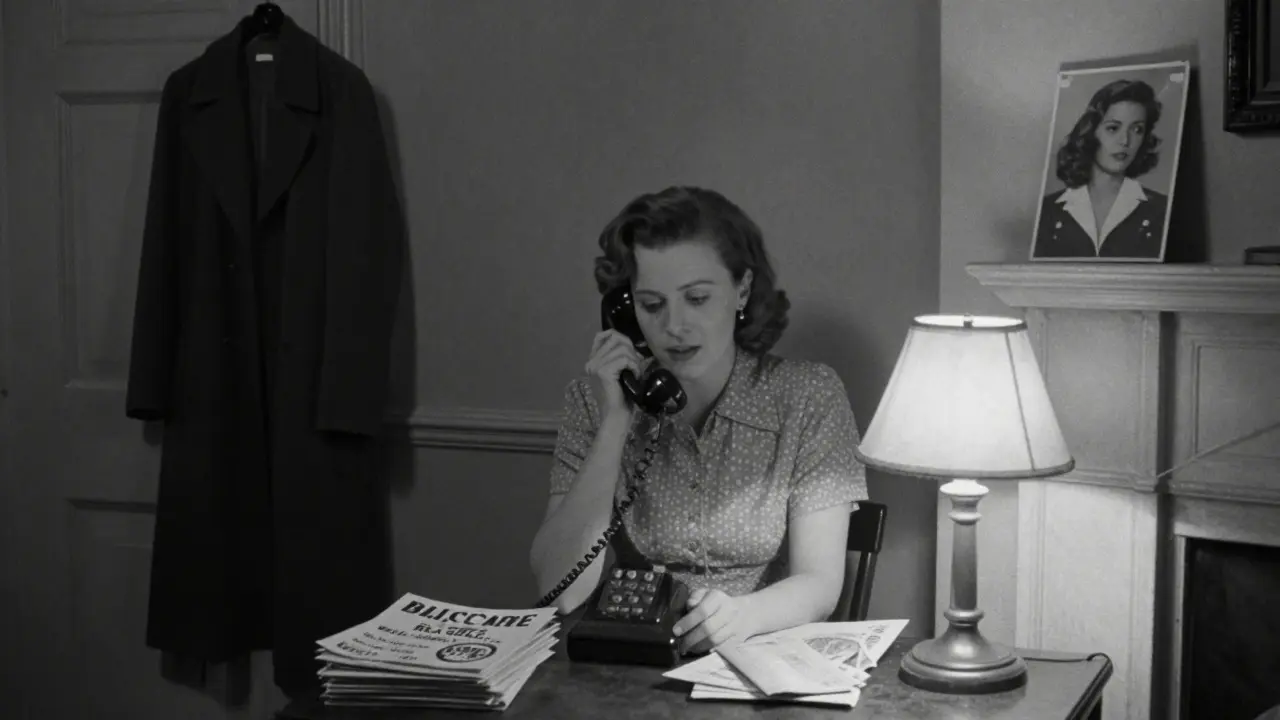
After World War II, London’s escort scene shifted underground. With rationing and austerity, some women turned to companionship as a way to afford rent, clothes, or education. Agencies began appearing in the 1950s and 60s, often run by former sex workers or ex-military men. These weren’t glamorous operations-they were small flats above pubs in Chelsea or Knightsbridge, with a phone number listed in obscure classifieds. Clients were vetted by word of mouth. Payment was cash, often handed over in an envelope. There was no online profile, no reviews, no Instagram. If you got caught, you lost your job, your reputation, sometimes your freedom.
1990s-2000s: The Internet Changes Everything
The real turning point came with the internet. In the late 1990s, websites like ‘London Ladies’ and ‘Escort Directory’ started popping up. Suddenly, women could list their services, photos, rates, and availability without needing an agency. This wasn’t just convenience-it was control. Women set their own hours, chose their clients, and kept most of the money. By 2005, over 60% of London escorts worked independently. The rise of forums and message boards meant clients could compare experiences, ask for references, and avoid scams. It also meant the industry became more transparent, even if it was still technically illegal under laws banning brothel-keeping and soliciting.
2010s-2020s: Apps, Social Media, and Normalization
Today, the London escort industry looks nothing like it did 30 years ago. Instagram, OnlyFans, and private messaging apps have replaced classifieds. Women build personal brands. Some post about yoga, travel, and coffee shops alongside their services. Others use discreet hashtags like #LondonCompanion or #PrivateEvening to reach clients without triggering platform filters. The average hourly rate in central London is now £150-£300, with luxury escorts charging up to £800. Many work part-time, juggling university, nursing, or freelance design jobs. The clients? Not just rich older men. Teachers, doctors, engineers, and even single fathers looking for someone to talk to after a long week.
Legal gray areas remain. While selling sex isn’t illegal in the UK, organizing it-running an agency, advertising, or sharing premises-is. That’s why most escorts now work alone, using encrypted apps and cashless payments. Some use virtual assistants to manage bookings. Others hire lawyers to review their online presence. The police rarely target independent workers unless there’s evidence of coercion or underage involvement. The real enforcement is done by social media platforms, not the courts.

Why This Matters Beyond the Sex Trade
The evolution of London’s escort industry reflects bigger shifts in how people work, connect, and survive. It’s a case study in digital autonomy. Women who once had no control over their earnings now manage their own brands, taxes, and boundaries. It’s also a mirror to changing attitudes toward intimacy. More people are open about seeking companionship without judgment. The stigma hasn’t vanished-but it’s cracking.
Compare this to other cities. In Amsterdam, escort work is licensed. In Berlin, it’s fully decriminalized. London sits in the middle: tolerated, but not protected. That leaves workers vulnerable to exploitation, fraud, and sudden platform bans. Still, the fact that thousands of women now operate openly, with bank accounts and LinkedIn profiles, is a quiet revolution.
What the Future Holds
Looking ahead, the next shift won’t be technological-it’ll be legal. Pressure is building to decriminalize sex work in the UK. Groups like the English Collective of Prostitutes and the UK Network of Sex Work Projects are pushing for policy reform, citing harm reduction and worker safety. A 2023 survey by the London School of Economics found that 68% of Londoners believe adult workers should have the same labor rights as other freelancers.
Some agencies are already adapting. A few now offer health insurance, mental health support, and legal advice to their workers. Others partner with financial advisors to help escorts file taxes as self-employed individuals. The industry is slowly becoming professionalized-not because of law, but because the people in it demanded better.
What started as survival in the back rooms of Georgian London has become a complex, diverse, and increasingly visible part of the city’s economy. The escorts of today aren’t hiding. They’re negotiating, building, and redefining what it means to work on your own terms.
Is it legal to be an escort in London?
Selling sexual services is not illegal in London or anywhere in the UK. However, activities around it are: running an agency, advertising, or sharing premises with other workers (which counts as brothel-keeping) are criminal offenses. Most independent escorts avoid these by working alone, using private messaging apps, and not publicly promoting their services. The law targets the organization, not the individual.
How do modern escorts in London find clients?
Most use encrypted messaging apps like Signal or Telegram, private Instagram accounts with coded hashtags, or niche platforms like OnlyFans and Patreon. Some rely on word-of-mouth referrals from past clients. Direct advertising on public websites or classifieds is risky and often leads to account bans or police attention. The focus is on discretion, not visibility.
Are escorts in London mostly women?
The vast majority are women, but the number of male and non-binary escorts has grown significantly since 2018. Online platforms have made it easier for marginalized genders to enter the industry without relying on traditional agencies. Male escorts often specialize in companionship for business travelers or LGBTQ+ clients. Rates for male and non-binary escorts vary widely, but often match or exceed those of female escorts in central London.
Do escorts in London pay taxes?
Yes, many do. Since 2015, HMRC has actively targeted self-employed workers in the adult industry, including escorts. Those who register as sole traders and declare income are treated like any other freelancer. Some use accounting services that specialize in sex work. Tax evasion is common, but compliance is rising-especially among those who also hold other jobs or want to secure loans or housing.
What’s the difference between an escort and a prostitute in London?
The difference is mostly cultural, not legal. ‘Prostitute’ is a term often used by police and media to describe street-based sex workers. ‘Escort’ is the term used by independent workers who offer companionship, dinner dates, travel, or emotional support-not just sex. Many escorts avoid the word ‘prostitute’ because it carries stigma and implies lack of agency. In practice, the services overlap, but the branding, client expectations, and working conditions are very different.
Are there escort agencies still operating in London?
Legally, no-not the kind that book clients directly or control workers. But some companies operate as ‘companion services’ or ‘entertainment agencies,’ claiming to provide ‘social companionship.’ These often skirt the law by not mentioning sexual services on their websites. Workers are classified as independent contractors. Police have shut down several in recent years, but new ones appear under different names. Most workers now prefer to go solo to avoid exploitation and control.
Final Thoughts
The escort industry in London has always existed-it’s just changed how it speaks, who it serves, and how it survives. From courtesans in silk gowns to women managing their own brands on encrypted apps, the core hasn’t changed: people pay for connection. What’s changed is the power. Today’s escorts aren’t asking for permission. They’re building systems, protecting their safety, and rewriting the rules.
The real story isn’t about sex. It’s about autonomy, dignity, and how a society treats those who do work no one else wants to name.