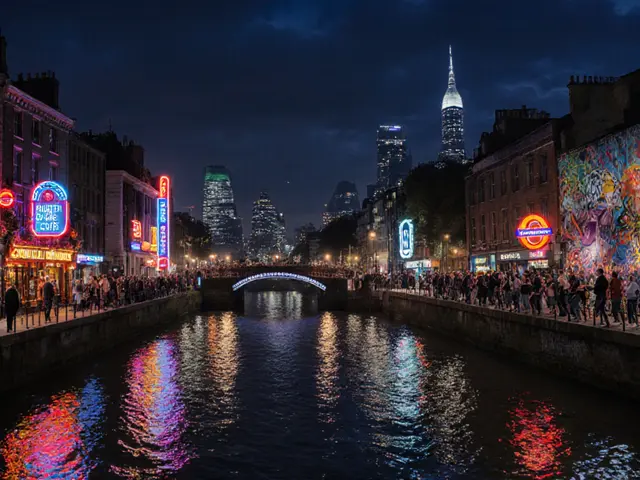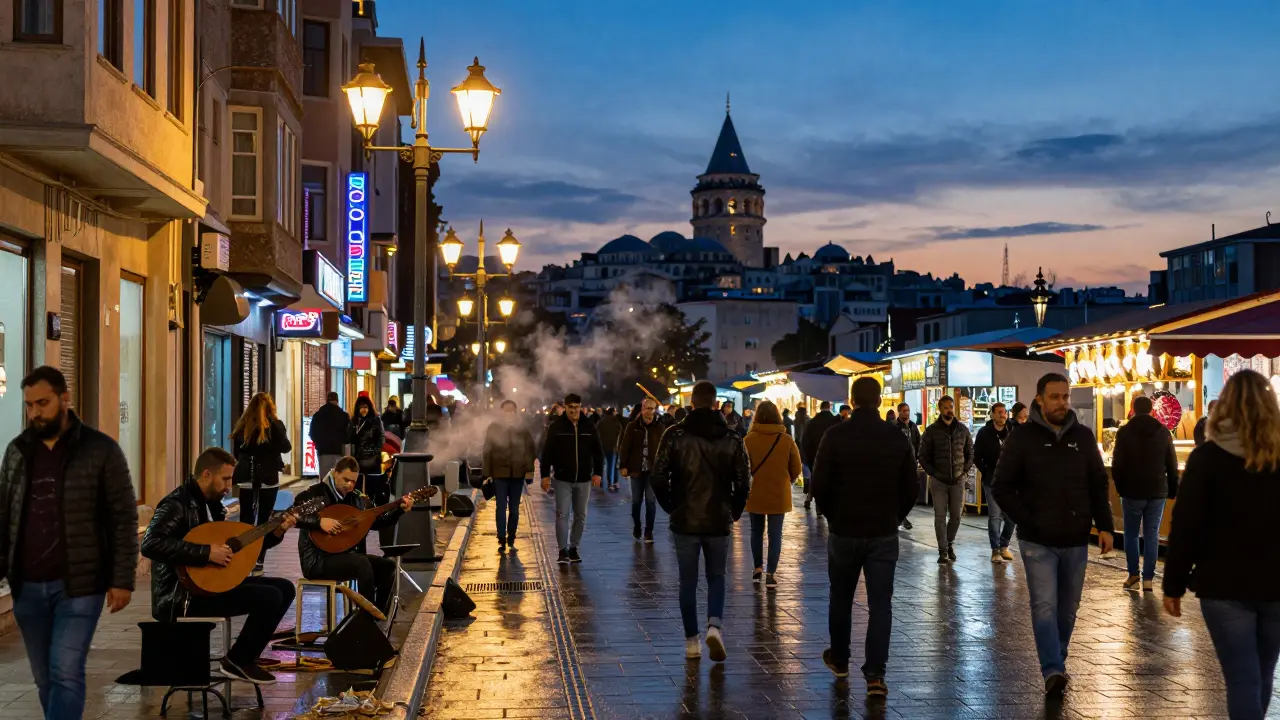
When the sun sets over the Bosphorus, Istanbul doesn’t sleep-it wakes up. The call to prayer fades into the hum of bass, the scent of grilling kebabs gives way to cigarette smoke and citrus cocktails, and the quiet alleys of Beyoğlu transform into pulsing corridors of music, laughter, and movement. This isn’t just a party scene. It’s the city’s heartbeat after hours, a raw, messy, beautiful expression of its soul.
Where the Party Starts: Beyoğlu and İstiklal Avenue
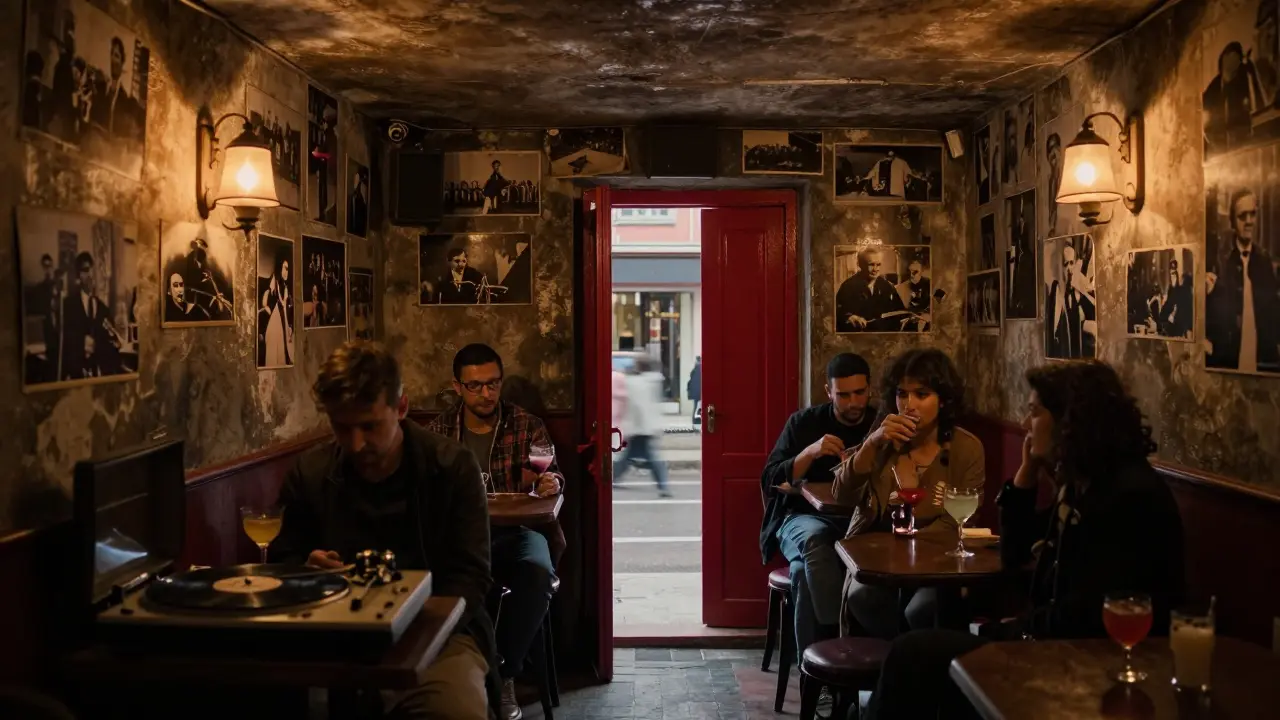
Istiklal Avenue isn’t just a street-it’s a living organism. By 9 p.m., it’s packed. Locals in leather jackets, tourists with maps, musicians playing ouds on street corners, and groups of friends shouting over each other in Turkish, English, Russian, and Arabic. This is where the night begins. You don’t plan your night here-you let it find you.Start with a drink at Asitane, a rooftop bar with views of the Golden Horn and a cocktail menu that mixes Turkish herbs with global flavors. Then wander down the side streets. In a basement below a 19th-century bookstore, you’ll find Bar 1907, where jazz plays on vinyl and the walls are lined with old Ottoman photographs. No sign. No website. Just a red door and a doorman who nods if you look like you belong.
By midnight, the crowd shifts. The bars get louder. The music changes. You’ll hear everything from Turkish pop remixes to techno with bağlama samples. Reina and Karaköy Lokantası draw international crowds, but the real gems are the smaller spots: Bar M in Cihangir, where the bartender remembers your name after one visit, or Wunderbar, hidden behind a bookshelf in a converted apartment, serving whiskey neat and stories longer than the night.
The Bosphorus After Dark: Water, Lights, and Whispers
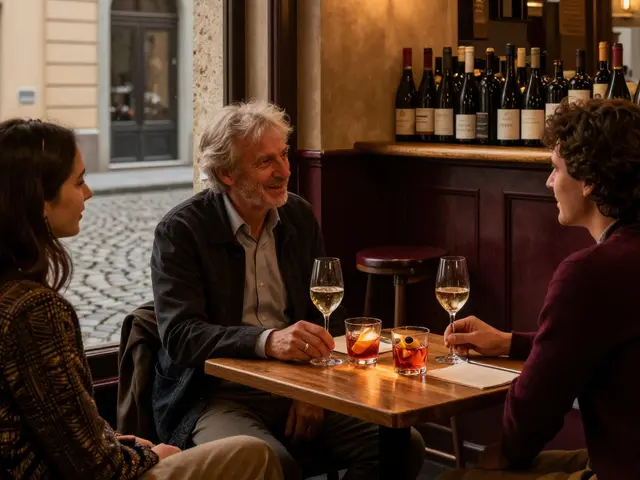
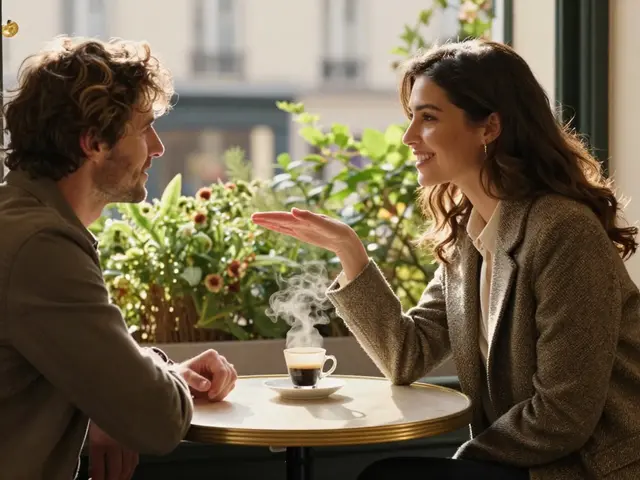
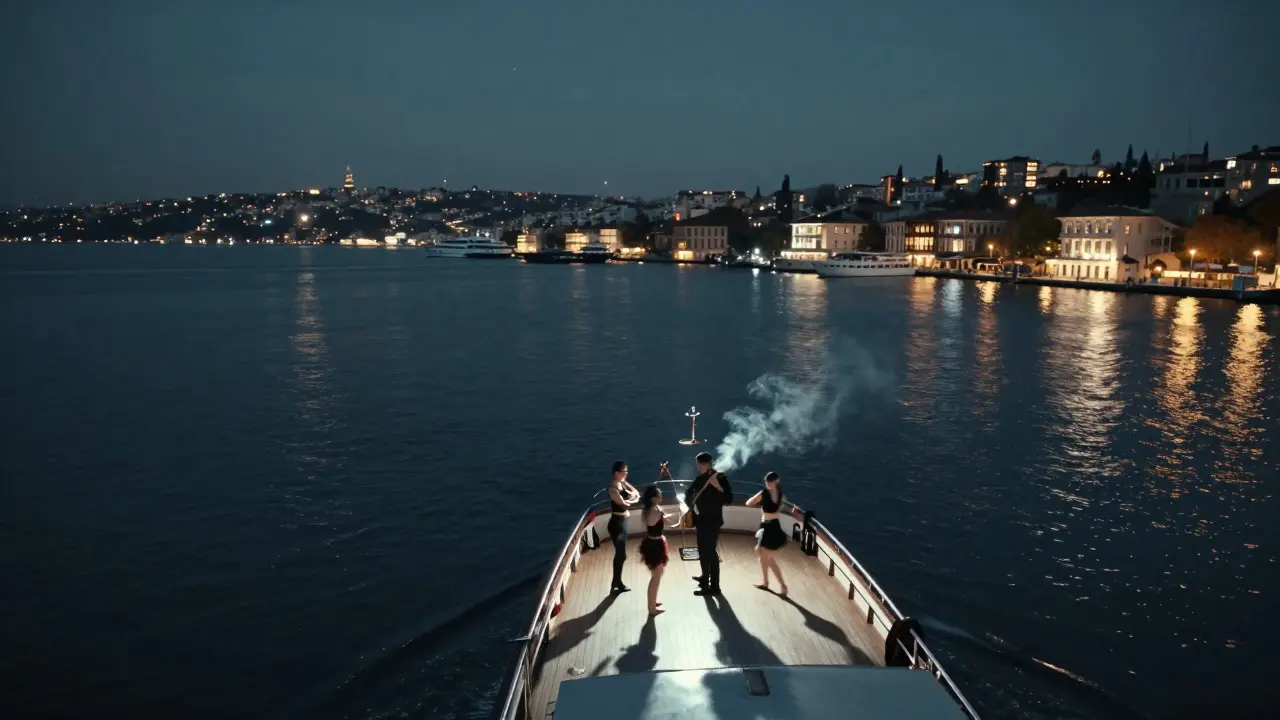
Most visitors think of the Bosphorus as a daytime sightseeing spot. But at night, it becomes something else entirely. Take a ferry from Eminönü to Kadıköy after 10 p.m. The lights of the city shimmer on the water. The ferry’s speakers play Turkish classics. Locals sit on the deck, sipping tea, watching the skyline. It’s peaceful. Quiet. Real.On the Asian side, Kadıköy’s nightlife is less flashy, more intimate. Moda is the neighborhood to explore-cobblestone streets, tiny wine bars, and outdoor terraces where people talk for hours. Bar 1897 serves natural wines from Anatolia, and the owner, a former jazz drummer, will play you a track if you ask nicely. There’s no cover charge. No VIP section. Just people who came for the music and stayed for the conversation.
For something more adventurous, hop on a private boat tour. Companies like Bosphorus Night Cruise offer sunset-to-midnight trips with live saz players, meze platters, and open decks where you can dance under the stars. It’s not cheap-around 350 Turkish lira-but it’s the only way to feel Istanbul’s rhythm from the water, where the city’s two continents meet in silence and sound.
Club Culture: From Underground to Iconic
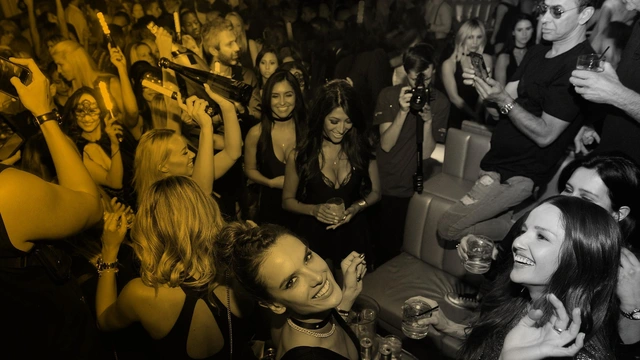
Istanbul’s club scene is divided into two worlds: the polished and the raw. The polished side includes Klub in Nişantaşı, where international DJs spin house and techno, and the crowd wears designer clothes and drinks imported champagne. It’s safe. Clean. Expected.The raw side? That’s where the soul lives. Bar 21 in Karaköy used to be a warehouse. Now it’s a warehouse again-just with a sound system, a strobe light, and a crowd that doesn’t care about labels. The music? Experimental. Unpredictable. Sometimes it’s dub techno. Sometimes it’s a Turkish folk remix with a 12-minute drum solo. You won’t find it on Instagram. You’ll find it because someone whispered, “Go to Bar 21 at 2 a.m.”
And then there’s Yalı in Bebek. A club inside a restored Ottoman seaside mansion. The walls are stone. The ceiling is glass. The dance floor is open to the sea breeze. It’s not loud. It’s not crowded. But it’s the only place in Istanbul where you can hear your own thoughts while dancing. That’s rare.
Food That Keeps the Night Going
No night in Istanbul ends without food. And not just any food-late-night eats that feel like a reward for staying up. Çiğ Köfte stands open until 4 a.m. in Taksim, serving spicy raw meatballs wrapped in lettuce with pomegranate molasses. Midyeci in Kadıköy serves grilled mussels with lemon and garlic until dawn. And if you’re still hungry after the clubs close, head to Çiya Sofrası in Kadıköy. Open 24 hours, it’s where locals go to eat slow-cooked lamb stew and bulgur pilaf at 5 a.m., still dressed in club clothes.Don’t skip the ayran after a night out. It’s the Turkish cure-all-yogurt, water, salt. Cold. Simple. Perfect. You’ll find it at every corner kiosk, even at 3 a.m.
What to Avoid: Safety, Scams, and Surprises
Istanbul’s nightlife is mostly safe, but not without traps. Tourists get targeted-especially in crowded areas like Istiklal. Watch your bag. Don’t accept drinks from strangers. And never follow someone who says, “Come to my friend’s place-it’s quieter.” That’s how you end up in a backroom with a bill for 2,000 lira for two glasses of water.Also, avoid the “VIP” clubs that charge 150 lira just to walk in. Most of them are gimmicks. The real ones don’t need signs. They don’t need velvet ropes. They just have good music and a crowd that knows what they’re doing.
And don’t assume everyone speaks English. In the smaller bars, Turkish is the language. Learn three words: Teşekkür ederim (thank you), Ne kadar? (how much?), and Bir şey değil (it’s nothing). You’ll get further with politeness than with a map.
When to Go: Seasonal Shifts in the Night
Istanbul’s nightlife changes with the seasons. In summer, the party spills onto the rooftops and beaches. Places like Kumkapı turn into open-air fish restaurants with live music until sunrise. In winter, it moves indoors. The clubs stay open longer. The crowds get tighter. The energy gets warmer.Spring and fall are the sweet spots. The weather is mild. The tourists are fewer. The locals are back. That’s when you’ll find the real Istanbul-where the bars are full, but not packed, where the music is loud, but not overwhelming, and where you can sit on a bench by the water and watch the city breathe.
Why This Isn’t Just a Night Out
Istanbul’s nightlife isn’t about partying. It’s about connection. It’s the place where Syrian refugees and British expats share a table. Where a 70-year-old poet argues about jazz with a 20-year-old DJ. Where the call to prayer and a techno beat play on the same street, and no one blinks.This city doesn’t just have nightlife. It lives it. And if you want to understand Istanbul-not as a postcard, not as a museum-but as a living, breathing, messy, glorious thing, you have to stay up past midnight. You have to listen. You have to taste. You have to let the city take you where it wants to go.
Is Istanbul nightlife safe for solo travelers?
Yes, but with caution. Areas like Beyoğlu, Karaköy, and Kadıköy are generally safe at night, especially on well-lit streets with crowds. Avoid isolated alleys, don’t accept drinks from strangers, and keep your valuables secure. Most locals are helpful, but scams targeting tourists do happen-especially around popular spots like Istiklal Avenue. Trust your gut. If something feels off, leave.
What’s the best night to experience Istanbul’s club scene?
Friday and Saturday nights are the busiest, but Wednesday and Thursday are where the real locals go. Clubs like Bar 21 and Wunderbar often have better music and fewer tourists midweek. If you want to feel the pulse of the city, skip the weekend rush and go midweek. You’ll get better service, deeper conversations, and a more authentic vibe.
Do I need to dress up for Istanbul clubs?
It depends. Upscale clubs like Klub or Reina expect smart casual-no shorts, flip-flops, or sportswear. But underground spots like Bar 21 or Yalı don’t care. Jeans, a clean shirt, and good shoes are enough. In Kadıköy, even sneakers are fine. The rule of thumb: if you’re going to a place with a website and Instagram page, dress up. If it’s a hidden door with no sign, wear what’s comfortable.
Are there any 24-hour places in Istanbul?
Yes. Çiya Sofrası in Kadıköy is open around the clock and serves traditional Turkish dishes. There are also 24-hour kebab shops in Taksim and Sultanahmet. For drinks, some convenience stores and kiosks stay open all night, especially near major transit hubs. But don’t expect cafes or bars to be open past 5 a.m.-except in rare cases like Yalı, which sometimes opens early for sunrise coffee.
Can I find English-speaking bartenders in Istanbul?
In tourist-heavy areas like Istiklal, Reina, or Karaköy, yes. Many bartenders speak decent English. But in local spots-especially in Cihangir, Moda, or Bebek-you’ll find fewer English speakers. That’s not a barrier. It’s a gift. Learning to order in Turkish, even just “Bir kahve, lütfen,” opens doors you didn’t know existed. And people appreciate the effort.