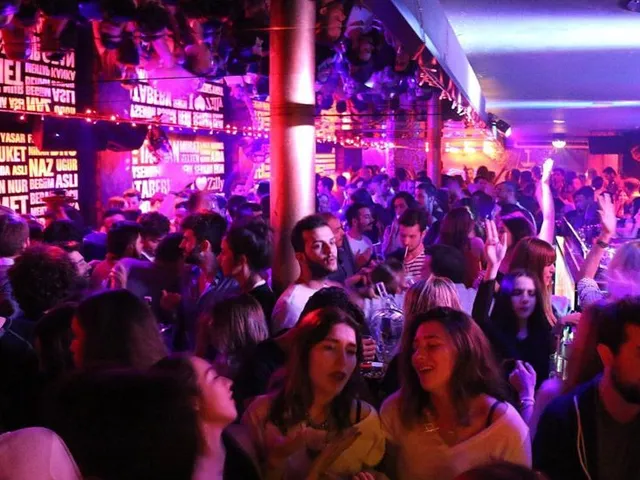
Milan doesn’t just dress well-it knows how to party after dark. While most visitors come for fashion and design, the real magic happens when the sun sets. This isn’t about tourist traps or overpriced cocktail lounges. This is about where locals go, where the music pulses through concrete walls, and where the city’s energy turns electric after midnight.
Brera: Where Art Meets After-Hours
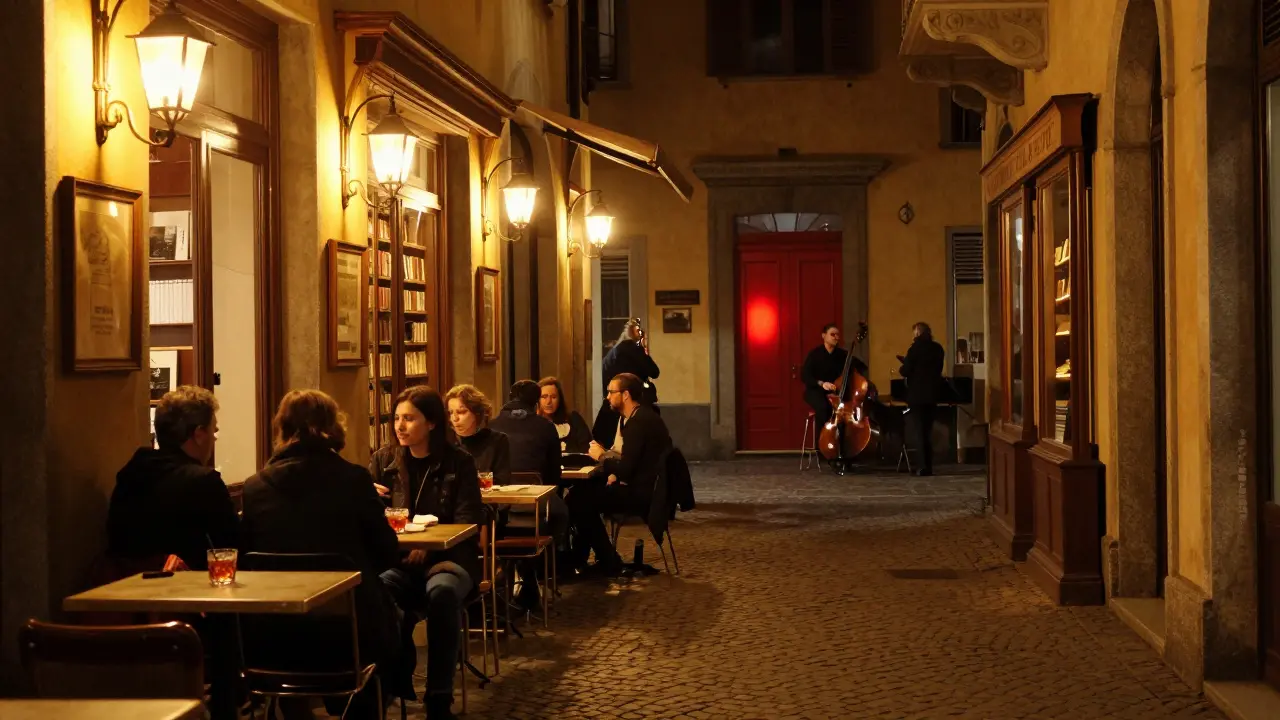
Brera isn’t just a neighborhood-it’s a vibe. Narrow cobblestone streets lined with vintage bookshops turn into open-air lounges by 10 p.m. The bars here aren’t loud, they’re intimate. Bar Basso, opened in 1953, still serves the original Negroni Sbagliato. It’s not a club, but if you want to sip something perfectly balanced while listening to jazz under dim lights, this is where you start. Walk ten minutes down Via Brera and you’ll hit La Cucina di Brera, a hidden courtyard bar that turns into a secret speakeasy after 1 a.m. No sign. Just a red door. Knock twice. If you’re in, you’re in.Navigli: Canals, Cocktails, and Crowds
The Navigli district is Milan’s answer to Paris’s Seine or Amsterdam’s canals-except here, the boats are replaced by people. On weekends, the canal-side promenade becomes a walking party. Bar Basso Navigli (yes, there’s a second location) is the go-to for craft cocktails and outdoor seating. But the real action starts at La Baita, a retro-chic bar that plays 80s Italian pop and gets packed by 11 p.m. If you want to dance, head to La Baita’s back garden, where a DJ spins vinyl until 4 a.m. The crowd? Mix of artists, designers, and young professionals who treat Friday like a national holiday.Porta Romana: Underground Beats and Industrial Vibes
If you’re looking for something raw, gritty, and real, head to Porta Romana. This area used to be industrial. Now, it’s home to Milan’s most authentic underground clubs. Ex Dogana is a converted warehouse with no fancy lights, no VIP section, just a massive sound system and a crowd that knows how to move. The music? Deep house, techno, and experimental electronica. Bouncers don’t care about your outfit. They care about your energy. Entry is €10, drinks are €6, and the party doesn’t end until the sun comes up. This is where Milan’s electronic music scene was born.Corso Como: Chic, But Not Pretentious
Corso Como 10 is a cultural hub that blends a design store, art gallery, and bar into one. By night, it becomes Corso Como 10 Bar, a sleek space where Milan’s creative elite gather. It’s not a club, but it’s the place you go before you go out. The cocktails are named after Italian films. The music is curated by local DJs. You’ll see fashion editors, architects, and musicians all sharing the same low couches. If you want to be seen-but not in a flashy way-this is your spot. It closes at 2 a.m., so plan your night accordingly.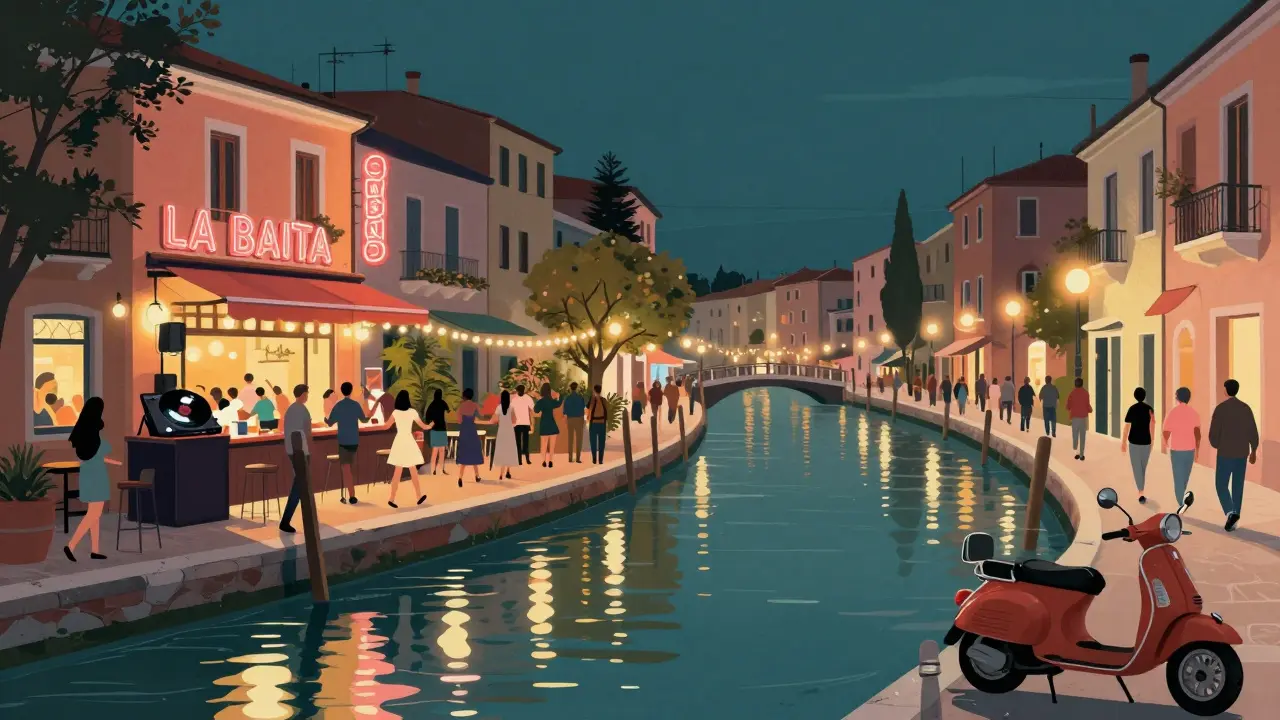
Zone 1: The New Hotspot for Younger Crowds
Zone 1, near the former Olympic stadium, is where the new generation of Milanese partiers hang out. It’s not glamorous, but it’s alive. Bar Strega is a tiny, unmarked bar behind a laundry shop. You need a friend to get in. Once you’re inside, you’ll find local indie bands playing live, cheap beer, and a crowd that’s all about the music, not the Instagram filter. Nearby, La Cucina del Vino turns into a wine bar by day and a dance floor by night, with DJs spinning house and disco. The vibe? Unpolished, real, and full of surprises.What to Expect: Rules, Costs, and Timing
Milanese nightlife runs on its own rhythm. Most bars open at 8 p.m., but the real crowd doesn’t show up until 11 p.m. Clubs don’t get busy until 1 a.m., and the best ones don’t close until 5 a.m. or later. Entry fees range from €5 to €20, depending on the place and the night. Drinks? €8-15 for cocktails, €4-6 for beer. Cash is still king in many spots, especially the underground ones.Dress code? It’s simple: wear something that fits you, not what you think you should wear. No sneakers in upscale spots like Corso Como. No suits unless you’re at a VIP night. Jeans and a good shirt work everywhere. Women wear heels, but not stilettos-cobblestones are real.
Where to Go If You’re Not Into Clubs
Not a club person? Milan still has you covered. Il Gatto Nero is a jazz bar in the heart of the city with live performances every night. Bar Campari offers classic aperitivo with free snacks from 7 p.m. to 9 p.m. It’s not a party, but it’s a ritual. And if you want to drink under the stars, Giardino delle Rose on the rooftop of the Hotel Principe di Savoia has a terrace with city views and no noise. It’s quiet. It’s classy. It’s perfect if you want to end the night without a headache.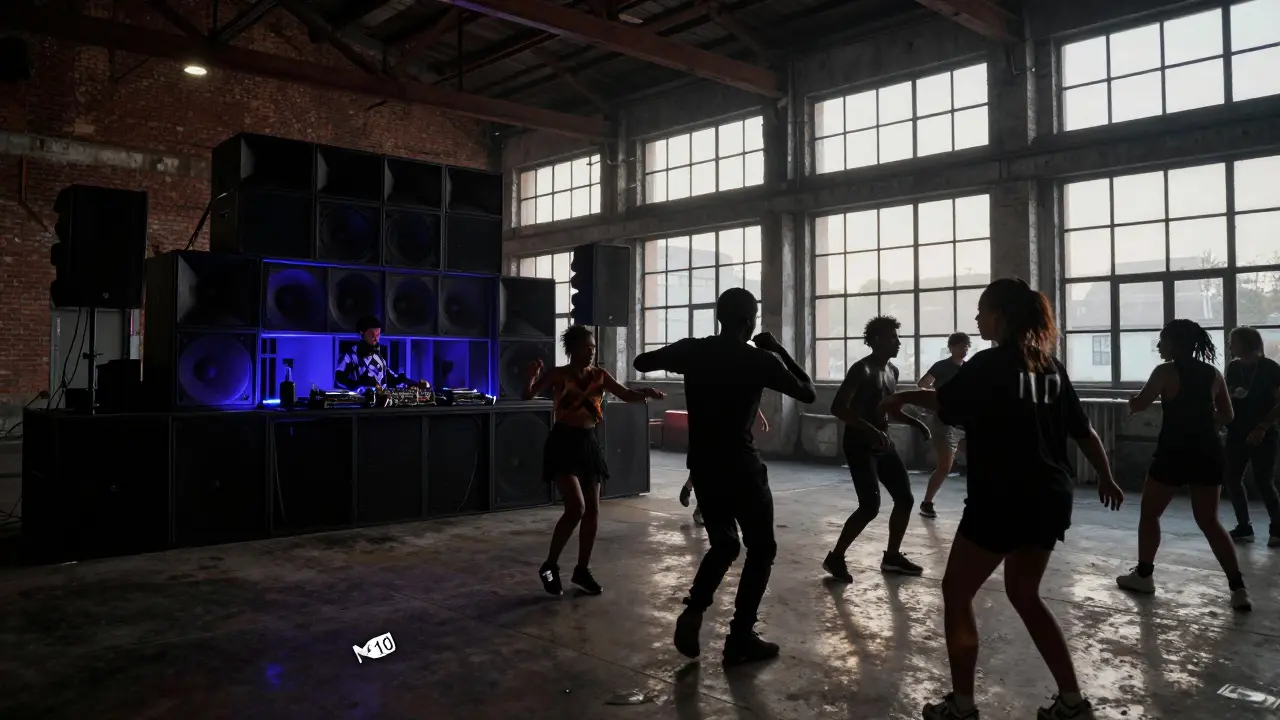
Best Nights to Go
Friday and Saturday are packed. But if you want to avoid crowds and still feel the pulse, go on Thursday. Many clubs host special nights then-live sets, guest DJs, themed parties. Sunday is for late breakfasts and wine bars. Monday? Skip it. Most places are closed or quiet.How to Get Around
Public transport runs until 1:30 a.m. After that, your best bet is a taxi or Uber. The city is safe, but avoid walking alone after 3 a.m., especially near the train station. If you’re staying in the center, most spots are within a 15-minute walk. Don’t rent a car. Parking is a nightmare, and you’ll be too tired to drive anyway.What’s the best time to arrive at Milan clubs?
Most clubs don’t get busy until 1 a.m. Arrive between 12:30 a.m. and 1:30 a.m. to avoid long lines and get good seating. If you come earlier, you’ll just be waiting. If you come later, you might miss the best DJs.
Is Milan nightlife safe for tourists?
Yes, but stay aware. The main nightlife areas-Brera, Navigli, Porta Romana-are well-lit and patrolled. Avoid poorly lit alleys after midnight. Don’t flash cash or expensive gear. Pickpockets exist, especially near tourist hotspots. Stick to busy streets and trusted venues.
Do I need to book ahead for Milan clubs?
Only for big-name events or VIP tables. Most clubs don’t require reservations. Walk-ins are common, especially midweek. If you’re going to a popular spot like Ex Dogana on a Saturday, show up by 1 a.m. to skip the line. Some upscale bars like Corso Como 10 accept online reservations for tables.
What’s the average cost for a night out in Milan?
You can have a full night out for €30-50. That includes aperitivo (€10-15), drinks at two bars (€15-20), club entry (€10-15), and maybe a late snack. Skip the tourist traps near Duomo-prices there are inflated. Stick to local spots for real value.
Are there any age restrictions in Milan clubs?
Most clubs require you to be 18 or older. Some upscale or private venues set the limit at 21. ID checks are common, especially on weekends. Bring your passport or EU ID card. No exceptions.
What’s the music scene like in Milan?
Milan is Italy’s electronic music capital. You’ll find everything from deep house at Ex Dogana to techno at Bicocca Club. Jazz and live bands thrive in Brera and Navigli. The city has produced world-renowned DJs like Marco Carola and Paolo Bolla. If you’re into underground sounds, Milan is one of the best cities in Europe for it.