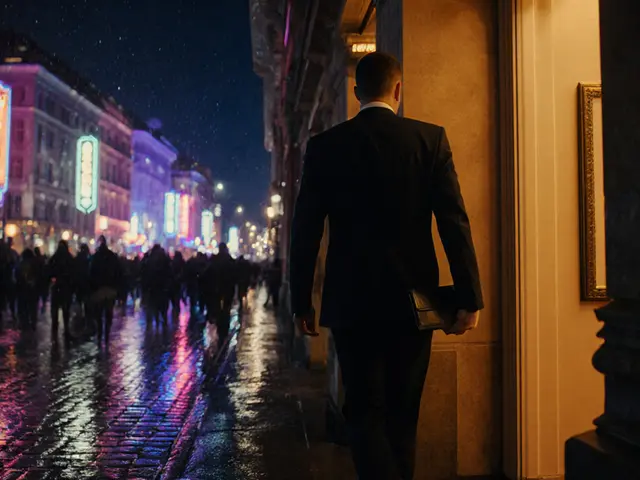
When the sun sets over the Bosphorus, Istanbul doesn’t sleep-it wakes up. The city’s nightlife isn’t just about drinking or dancing. It’s about stumbling into a hidden jazz bar where the saxophone sounds like it’s been played since the Ottoman era, or finding yourself in a rooftop lounge with the city’s lights stretching out like a thousand fireflies below. This isn’t tourist theater. This is real life, lived after dark, by locals and visitors alike.
Where the Night Begins: Beyoğlu and İstiklal Avenue
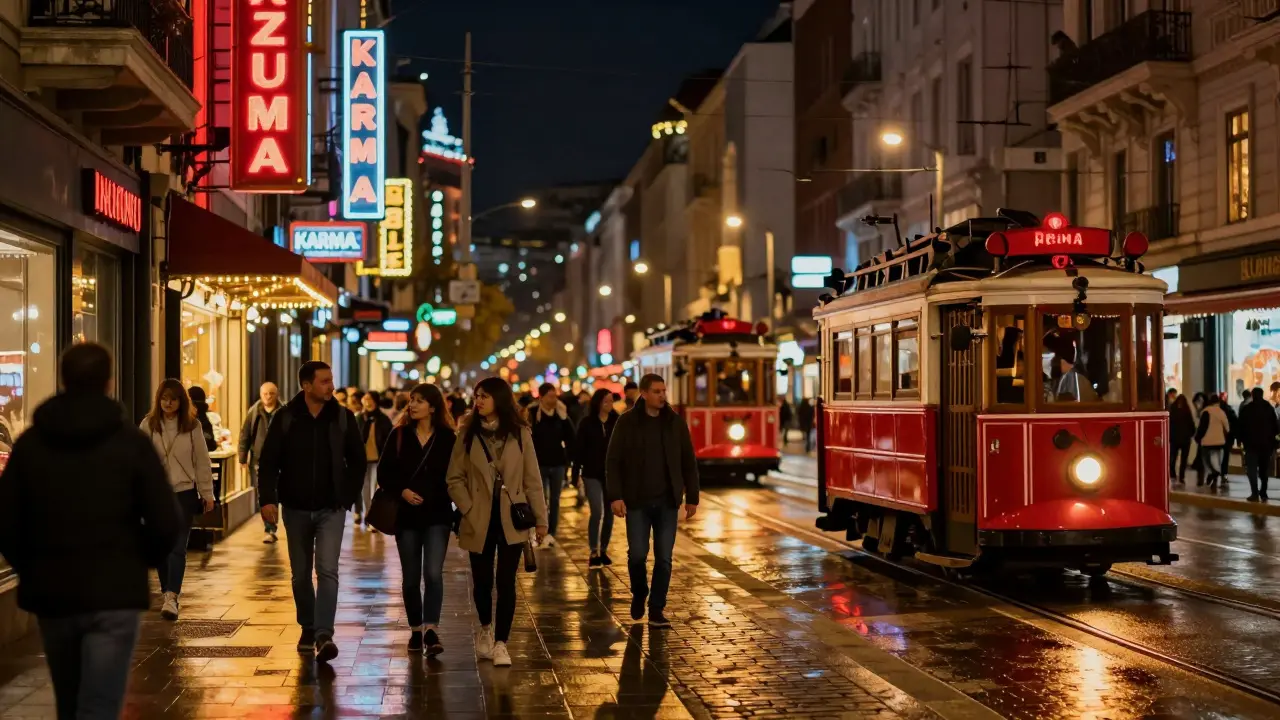
It all starts on İstiklal Avenue. By 9 p.m., the pedestrian street is packed-not with sightseers taking selfies, but with people moving to their own rhythm. You’ll pass old bookstores, vintage tram cars, and cafes where students argue politics over Turkish coffee. But by midnight, the real shift happens. The neon signs flicker on: Zuma, Karma, Reina. These aren’t just clubs. They’re institutions.
Reina, perched on the European shore, draws crowds with its open-air dance floor and live DJs spinning everything from deep house to Turkish techno. You don’t go to Reina to be seen-you go because the sound system makes your chest vibrate. It’s not cheap, but the view of the Bosphorus at 2 a.m. with a glass of raki in hand? Worth every lira.
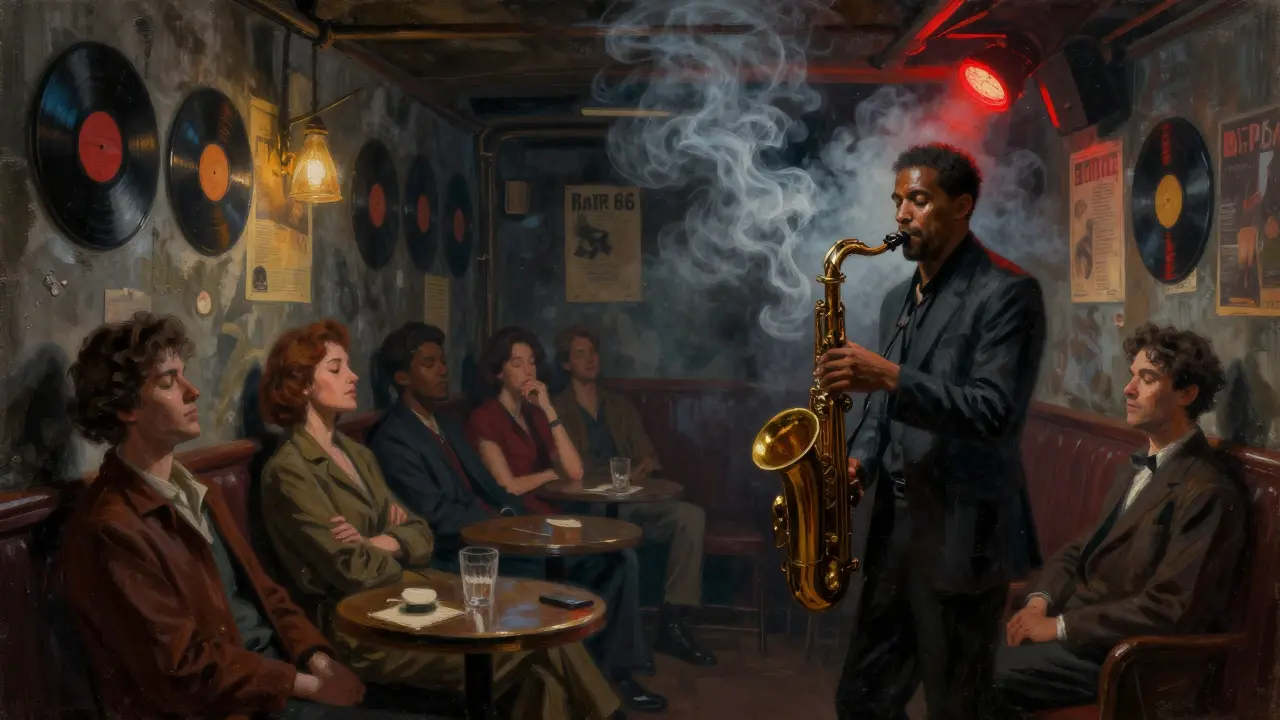
Down the street, smaller venues like Bar 66 and Asmali Mescit offer something quieter. Bar 66 is a basement spot with no sign, just a single red light. Inside, it’s dim, smoky, and full of artists, musicians, and expats who’ve been coming here for a decade. Asmali Mescit, meanwhile, is where you’ll hear live ney flutes and ouds mixed with modern beats. It’s traditional Turkish music, but remixed for the 2020s.
The Hidden Gems: Kadıköy and Nişantaşı
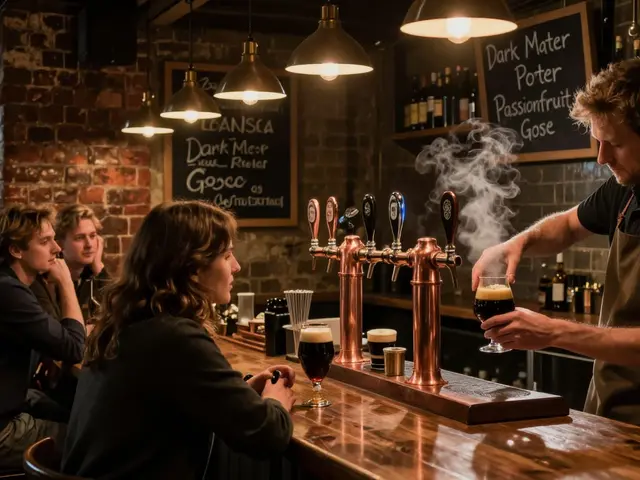
If Beyoğlu is the heartbeat, then Kadıköy on the Asian side is the soul. It’s less polished, more raw. Locals know this area better than any guidebook. Here, you’ll find Bar 22, a tiny, unmarked place with no menu-just a chalkboard listing tonight’s cocktails. The bartender doesn’t ask what you want. He asks what mood you’re in. Then he makes something you didn’t know you needed.
On weekends, Çarşı comes alive. It’s not a club. It’s a block of converted warehouses turned into indie bars, record shops, and underground music venues. Bands play in basements. DJs spin vinyl from the 90s. You’ll hear everything from post-punk to Anatolian folk remixes. No VIP lists. No cover charge until 1 a.m. Just people who love music and don’t care about labels.
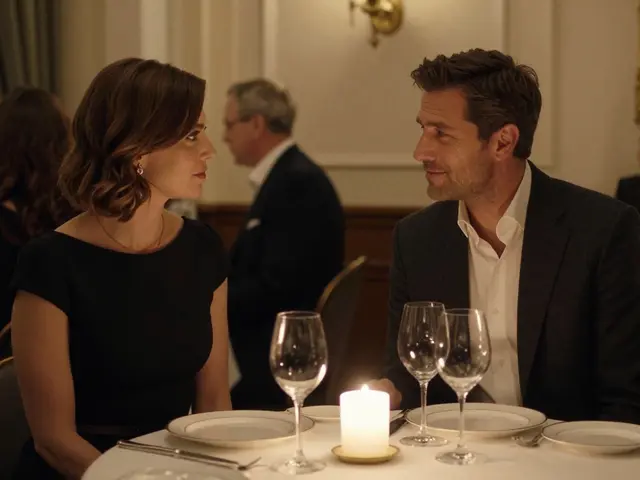
Nişantaşı, on the other hand, is where Istanbul’s elite unwind. Think minimalist lounges, candlelit terraces, and cocktails served in hand-blown glass. Leb-i Derya is the spot for quiet conversation over aged whiskey. The staff knows your name by the third visit. It’s not loud. It’s not flashy. But it’s where you’ll meet the people who run the city’s galleries, design studios, and startups.
The Drinking Culture: Raki, Tea, and Midnight Snacks
You can’t talk about Istanbul nightlife without talking about raki. It’s not just a drink-it’s a ritual. The clear liquid turns milky white when you add water. You sip it slowly, with meze: grilled octopus, stuffed grape leaves, spicy cheese, and olives. Most places don’t serve alcohol without food. That’s not a rule-it’s a tradition.
By 3 a.m., the clubs are winding down, but the real party is just getting started. Head to a lokanta-a late-night eatery-and order balık ekmek (fish sandwiches) or lahmacun (Turkish pizza). The cooks have been working since dawn. They don’t care if you’re drunk or tired. They just hand you food and say, "Yiyecek misin?"-"Will you eat?"
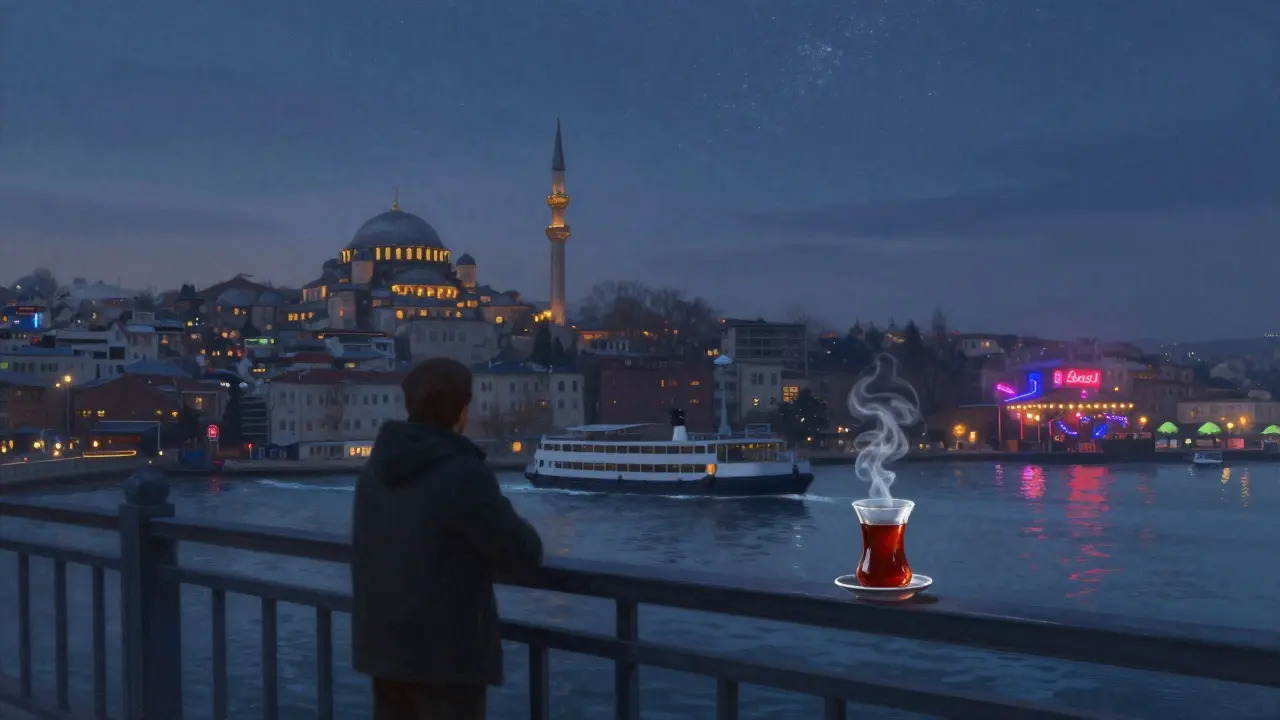
Even the tea houses stay open. Çay Bahçesi on the Asian side has wooden benches, old men playing backgammon, and steaming glasses of tea. You’ll find students, taxi drivers, and poets all sitting side by side. No one rushes. No one checks their phone. It’s just silence, steam, and the occasional clink of a spoon.
Music That Moves the City
Istanbul’s music scene doesn’t fit in a box. One night, you might hear a band blending Sufi chants with electronic beats at Yasak Muzik. The next, you’re in a basement listening to a punk band from Ankara screaming in Turkish. The city doesn’t care about genres. It cares about feeling.
There’s a reason why Istanbul produces more underground music than any other city in Turkey. It’s the mix of East and West, ancient and modern, sacred and rebellious. You’ll find clubs where the DJ plays only Turkish pop from the 80s. You’ll find jazz bars where the pianist improvises over a ney flute. And you’ll find places where the only rule is: "Don’t be boring."
What to Avoid
Not every place is worth your time. Avoid the tourist traps on İstiklal that charge 200 lira for a drink and play Top 40 hits. They’re loud, overpriced, and empty of soul. Same goes for clubs that require a dress code you can’t meet-unless you’re planning to spend 500 lira on a suit you’ll never wear again.
Also, don’t expect 24/7 partying. Most clubs close by 5 a.m. Some shut down at 3. That’s not a limitation-it’s a cultural rhythm. Istanbul doesn’t do all-nighters like Berlin or Ibiza. It does slow burns. It builds up. It lets the night unfold.
And never drink tap water after midnight. Stick to bottled. Even locals do.
When to Go
Winter nights in Istanbul are colder, but quieter. The crowds thin. The music gets deeper. If you want to feel like you’ve found a secret, come between November and February. The clubs feel more intimate. The DJs take more risks. The locals are more welcoming.
Summer? It’s packed. Reina books out weeks in advance. The beaches near Princes’ Islands turn into open-air clubs. But if you don’t mind the heat and the lines, summer is when the city explodes.
The sweet spot? April, May, September, October. The weather is perfect. The energy is high. And you can still get a table without waiting an hour.
Why It Still Feels Magic
There’s something about Istanbul’s nightlife that doesn’t exist anywhere else. It’s not the neon. It’s not the views. It’s the way people move through the night-not as tourists, but as participants. You’ll see a grandmother walking home with a bag of simit, passing a group of teenagers dancing on the sidewalk. You’ll hear a muezzin’s call from a minaret, then five seconds later, a bass drop from a rooftop club.
This city doesn’t separate day from night. It layers them. And when you’re standing on a bridge at 4 a.m., watching the ferries glide across the water, you realize: this isn’t just a party. It’s a living, breathing rhythm. One that’s been going on for centuries. And it’s still alive.
Is Istanbul nightlife safe for tourists?
Yes, Istanbul’s nightlife is generally safe for tourists, especially in areas like Beyoğlu, Kadıköy, and Nişantaşı. The city has a strong police presence in popular nightlife zones, and most clubs have security. But like any major city, petty theft can happen-keep your belongings close, avoid flashing valuables, and stick to well-lit streets after midnight. Never accept drinks from strangers, and always use licensed taxis or ride-sharing apps like BiTaksi.
What’s the best night to go out in Istanbul?
Friday and Saturday nights are the busiest, especially in Beyoğlu and Reina. But if you want a more authentic, less crowded experience, try Thursday or Sunday. Many underground venues and jazz bars save their best sets for those nights. Locals know this, so you’ll find better music and fewer tourists.
Do I need to speak Turkish to enjoy the nightlife?
No, you don’t need to speak Turkish. Most club staff and bartenders in tourist areas speak English. But learning a few phrases-like "Teşekkür ederim" (thank you) or "Ne var?" (what’s up?)-goes a long way. In smaller bars and hidden spots, even a smile and a nod can open doors. Locals appreciate the effort.
Are there any age restrictions for clubs in Istanbul?
Yes. Most clubs require you to be at least 18 to enter, and some upscale venues like Reina or Leb-i Derya enforce a 21+ policy. ID is always checked, even for foreigners. Bring your passport or a valid international ID. Some places may turn away guests who look underage, even if they’re legally old enough.
Can I find vegan or vegetarian food at night spots in Istanbul?
Absolutely. Many meze spots and late-night eateries offer vegetarian options like grilled eggplant, stuffed peppers, hummus, and lentil soup. Places like Yeniköy Mezeleri and Vegetarian Istanbul in Kadıköy have full vegan menus. Even Reina and Karma now offer plant-based meze platters. Just ask-the staff will point you to the right dishes.
If you’re looking for a night that sticks with you-not just a party, but a memory-then Istanbul delivers. It’s not about how many clubs you hit. It’s about the one place where you sit down, sip your drink, and realize: you’re exactly where you’re meant to be.